

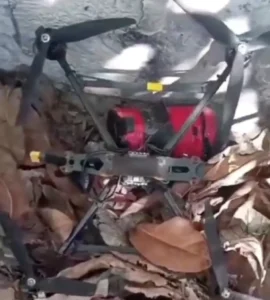
A Mar. 10 report by Human Rights Watch (HRW) reported that the explosive drone campaign, carried out by the Haitian National Police (PNH) under the guidance of Erik Prince’s Vectus Global mercenaries, killed at least 1,243 Haitians between Mar. 1, 2025 (when the program began) until Jan. 21, 2026. The program has escalated sharply in the past two months.
The strikes are supposed to target the leaders and soldiers of the Viv Ansanm (Live Together) coalition of neighborhood armed groups in greater Port-au-Prince, which is demanding “system change” and to be included in negotiations among all national sectors about Haiti’s future.
However, according to Haïti Liberté and other outlets, most of the drones’ victims are innocent Haitian civilians.
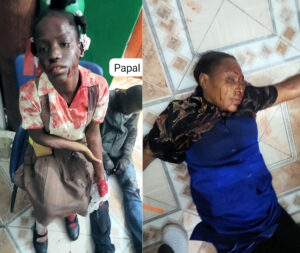
While many welcomed that HRW called the drone attacks “unlawful, extrajudicial killings,” there was confusion over its assertion that there were, among those killed, “at least 43 adults who were reportedly not members of criminal groups, and 17 children.”
This phrasing could lead one to believe that the remaining 1,183 Haitians (according to their count) killed by drones were Viv Ansanm members, or what the report calls “criminal groups.”
However, senior HRW researcher Nathalye Cotrino clarified in an interview that, for the remaining 1,183 Haitian victims, HRW was “not able to verify whether [they] were affiliated with criminal groups or not.”
This clarification presumably also applies to HRW’s assertion that “the drone strikes injured 738 people, at least 49 of whom were reportedly not members of criminal groups.”
In short, the number of civilians killed and wounded by the de facto government’s drone program is certainly much higher than the wording in the HRW report’s opening paragraphs suggest.
OHCHR Report Released with the Same Civilian Death Minimization
On Mar. 24, the UN’s Office of the High Commissioner for Human Rights (OHCHR) released a 14-page report which used a framing as misleading as HRW’s.
“Vectus Global’s first operation took place on 1 March 2025,” the OHCHR report states. “Since then, it began conducting a series of drone strikes and firing from helicopters targeting gang members in the capital… Between 1 March 2025 and 15 January 2026, among the casualties documented during these drone and helicopter operations… were 60 persons not affiliated with gangs killed (28 men, 19 women, seven boys and six girls), and 49 injured (nine men, 30 women, seven boys and three girls).”
So for about the same time-frame, the OHCHR came up with the same minuscule figure of 60 persons killed who were “not affiliated with gangs.” (The OHCHR report was issued as we go to press so we did not have time to call for clarification. We will return to analysis of the OHCHR report in the weeks ahead.)
Interestingly, the OHCHR reported that “starting on 31 December 2025, the private military contractor reportedly began providing on-the-ground personnel in support of operations led by the [PNH]. These joint operations, documented between 31 December and 15 January in Delmas and Port-au-Prince, resulted in the killing of at least 28 individuals not involved in violence (including three children) and the injuries of at least 70 others (including five children) by stray bullets while they were inside their homes or in the streets.”
A Haïti Liberté report on the Vectus Global/PNH forays during the same time period in the same area found many more that 28 innocent civilians killed. Thirty died in a single Jan. 1 drone attack alone at Rue St. Martin.
But even more shocking is the lack of official and media outcry against the mass murder of Haitian civilians carried out by Erik Prince’s mercenaries. In contrast, the massacre that Prince’s Blackwater mercenaries carried out on Sep. 16, 2007 in Nissour Square, Baghdad killed 17 and wounded 20, but immediately became headline news around the world.
In Haiti, Blackwater-rebranded Vectus Global killed twice as many innocent people on New Year’s Day 2026, and now, almost three months later, there are no headlines and only muted mention in major human rights reports.
It is therefore small and cold comfort that the OHCHR report does object about some procedural issues. “Some, or even most, of these drone strikes and helicopter operations could be described as targeted killings, given the apparent predetermined, intentional, and deliberate use of lethal force against individuals specifically identified in advance, whereas the sole objective of targeted law enforcement operations against individuals should be their arrest and detention,” the report states. “During the reporting period, no investigation appears to have been opened by the judicial authorities to establish the legality of these operations and the circumstances in which the killings and injuries occurred. In addition, no accountability mechanism appears to have been put in place to enable victims and members of the population to access effective remedies and justice.”
There are also great discrepancies between the figures in the various major reports. For example, HRW’s death toll estimate is about three times higher than the cumulative total of the United Nations Integrated Office in Haiti (BINUH) across four quarterly reports covering the time period from January to December 2025.
The BINUH reports’ total comes to about 400 people killed by explosive drones. BINUH also identifies the majority of those killed as “gang members.”
The discrepancy between the HRW and BINUH reports is large: almost 800 people. Also, while HRW did not label Haitians killed by drones as “gang members” unless their researchers could determine the truth, BINUH was clearly less cautious in its assertions.
Considering how often the media cites BINUH’s reports, a careful analysis of their findings is necessary.
The PNH, Vectus Global, and Paramilitary Groups are Responsible for the Majority of Deaths in Haiti
BINUH has produced four quarterly reports since the explosive drone campaign began. In their fourth quarterly report, BINUH claimed almost 6,000 Haitians have been killed by generalized violence in 2025.
It admitted that the vast majority of deaths were not caused by “gang violence.” Instead, the PNH, their allied paramilitary groups (“brigades”), and the Vectus Global mercenaries account for 68% of deaths, according to BINUH. This includes PNH officers carrying out at least 58 summary executions.
The PNH’s paramilitary allies are no longer the spontaneous uprisings of locals who formed vigilante groups to lynch local gang members observed in the early days of the Bwa Kale movement, which was supported by then G9 spokesperson Jimmy “Barbecue” Cherizier.
Instead, today’s paramilitary groups are openly paid and armed by the Haitian bourgeoisie, police, and politicians in Haiti. The authors of a recent report by ACLED interviewed several experts who believe that “politico-economic elites — including prominent political and business elites — may have played a role in fueling parts of the wave of vigilantism.”
The report explains that this elite support has provided the paramilitary groups with “greater access to weapons, coordination, and planning,” while “reflecting a broader pattern of frequent coordination [of] armed self-defense members [being] deployed alongside state forces” over the past year.
This follows former PNH chief Rameau Normil encouraging a “marriage of police and the population” which resulted in PNH officers arming locals to join in battles against armed groups.
BINUH’s Faulty Reports
Analysts have long questioned the veracity of numbers provided by BINUH regarding civilian deaths in Haiti following the re-emergence of “vigilance brigades” in 2018-19, formed to counter Port-au-Prince’s criminal gangs.
The large discrepancy in the number of Haitians killed by drones between BINUH and HRW’s reports, in addition to the problem of differentiating between Haitian civilians and so-called “gang members,” makes urgent a critical assessment of BINUH’s numbers.
As journalist Jake Johnston pointed out in a recent article, BINUH’s reports claim “roughly 90% of those killed by police were ‘associated with gangs.’”
He understandably questions this claim’s veracity. “As the police operations earlier this year showed, ‘associated with gangs’ could mean as little as living in a neighborhood run by gangs,” Johnston explained.
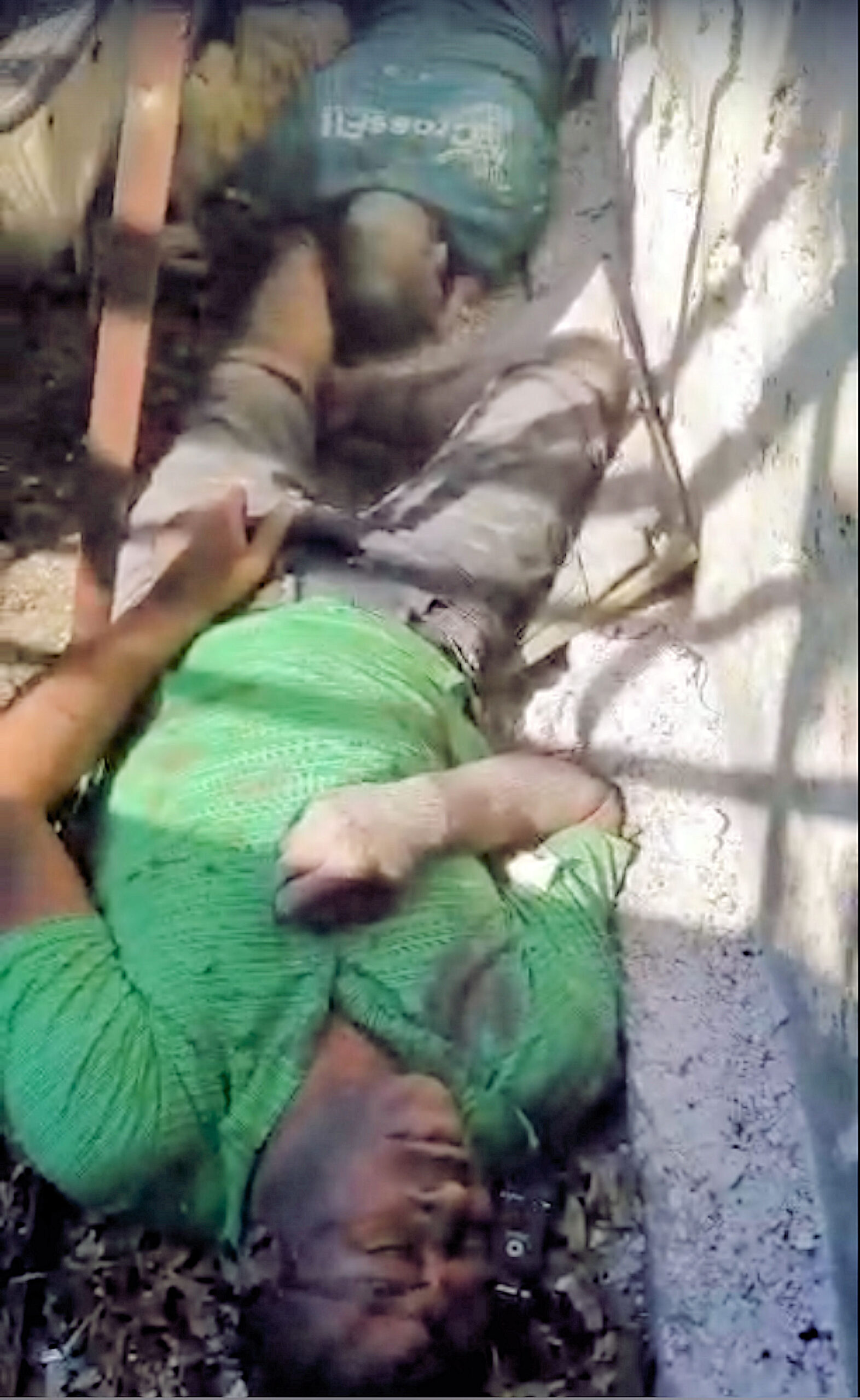
Indeed, the citations in these BINUH reports are worth examining, as the sources vary wildly in their ability to support the claims.
BINUH’s first quarterly report claims drones “reportedly killed at least 115 gang members and wounded 119 others” while only two members of the population were also injured since the drone war began on Mar. 1, 2025 . But a Nouvelliste article cited in the report provides no data to support these claims.
The UN’s numbers also contradict a Mar. 5 report by Haiti Liberté. In the report, Viv Ansanm leader Jimmy Cherizier said two drones targeting him had “exploded by a house with both young and older handicapped people.” A total of 16 people were wounded, and two of them died later at the hospital from their injuries.
Evidently, the UN did not investigate his claims.
BINUH’s second quarterly report claimed that “drones killed at least 236 people and injured 223 others,” and that “all but six (members of the population) would be gang members.”
These numbers suggest a drone campaign that was largely successful at avoiding civilian deaths. These numbers are also very similar to those of Pierre Espérance’s National Network for the Defense of Human Rights (RNDDH), which is cited in the same paragraph.
A June 2025 report, entitled “30th Anniversary of the Haitian National Police (PNH): RNDDH Commends the Struggle of Police Officers to Restore Security,” claims that, in the period covered by the first two quarterly UN reports, that “at least 300 armed terrorist gang members have been killed, and more than 400 others have been injured, some of them seriously.”
The RNDDH, like many other so-called “human rights” groups in Haiti, are enthusiastic supporters of the explosive drone campaign. Most of these groups are in some way funded by the National Endowment for Democracy (NED), the Canadian government, the Open Societies Foundation (OSF), or American Jewish Voices for Peace (AJWS). Consequently, they do not challenge U.S. imperialist domination of Haiti.
The RNDDH’s director, Pierre Espérance, is widely regarded as a political operator who targets political rivals with false allegations of criminal wrongdoing.
Drones Used to Cover for Oligarchs and Government Corruption
BINUH’s third quarterly report claims that 18 people, including 11 children, were killed by drones. The UN noted that “most of the minors were affected on 20 September, during drone strikes targeting a musical event organized by the Simon Pelé gang, which was attended by many local residents.”
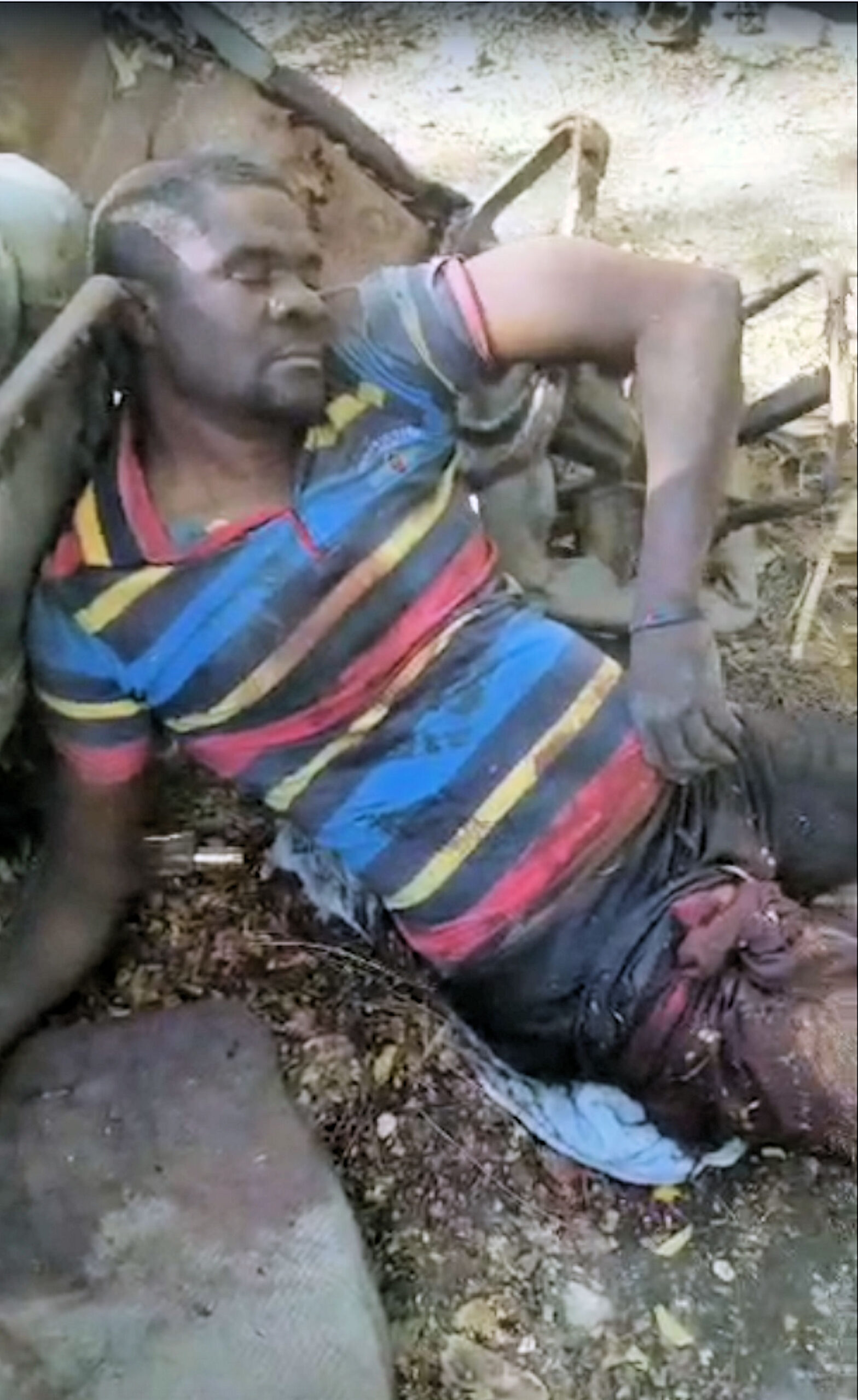
In other words, the PNH and their Vectus Global handlers deliberately bombed a concert attended by many children.
An article for Haiti Liberté by Kervens Louissaint revealed that a “woman who lives in Simon Pélé told journalist Ralph Laurent that Haitian police officers stopped the wounded being transported to hospitals, causing some of those injured to die.”
“Worse yet, the woman told me that the police even executed some of those who were helping to transport the wounded,” Laurent told Haïti Liberté.
BINUH’s fourth quarterly report noted that Vectus Global, using a combination of explosive drones and helicopter attacks, killed 19 people (12 men, six women, and one girl). The report does not explain how many of those killed were alleged members of armed groups.
The precipitous drop in the number of Haitians killed by drones is likely due to Vectus Global and the PNH’s attention being diverted to covering up the crimes of oligarchs and government officials.
In November 2025, Joseph “Lanmò Sanjou” Wilson, leader of Croix-des-Bouquet’s armed group 400 Mawozo, announced that his soldiers had raided an illegal drug factory just north of Port-au-Prince belonging to the prominent bourgeois Apaid family.
A video posted by Wilson showed what appeared to be bushels of marijuana or hemp, as well as possible human remains and white powder which they suspected might be processed cocaine.
An article by Kim Ives explained that the PNH, the Armed Forces of Haiti (FAdH), and the Gang Suppression Force (GSF) “launched a massive and unprecedented 15-hour retaliation on Nov. 14, ostensibly to punish Wilson’s group for their temerity in uncovering and then publicizing the Apaids’ criminal operation.” It was later revealed that an integral, if not commanding, part of the operation was Vectus Global, in particular with its helicopters (two of which were shot down, one of which was later destroyed).
“Many Haitians suspected, however, that the real accomplishment, if not purpose, of the huge joint operation was to set fire to the Apaid factory compound”, Ives continued, to “get rid of all proof of cocaine production and human organ trafficking, which Wilson claimed to have uncovered.”
A month later, on Dec. 18, three explosive drones blew up the depot of the National Center for Equipment (CNE) located just west of Port-au-Prince’s international airport and just east of Cité Soleil, the capital’s largest slum.
According to a Haiti Liberté report, the CNE, which stored and operated the Haitian state’s bulldozers, graders, backhoes, cranes, and other infrastructure equipment, was officially closed on Sep. 2, 2024 by the government of de facto Prime Minister Garry Conille and the Transitional Presidential Council (CPT). Its machinery was supposedly transferred to the custody of FAd’H, but most of it never moved from its depot.
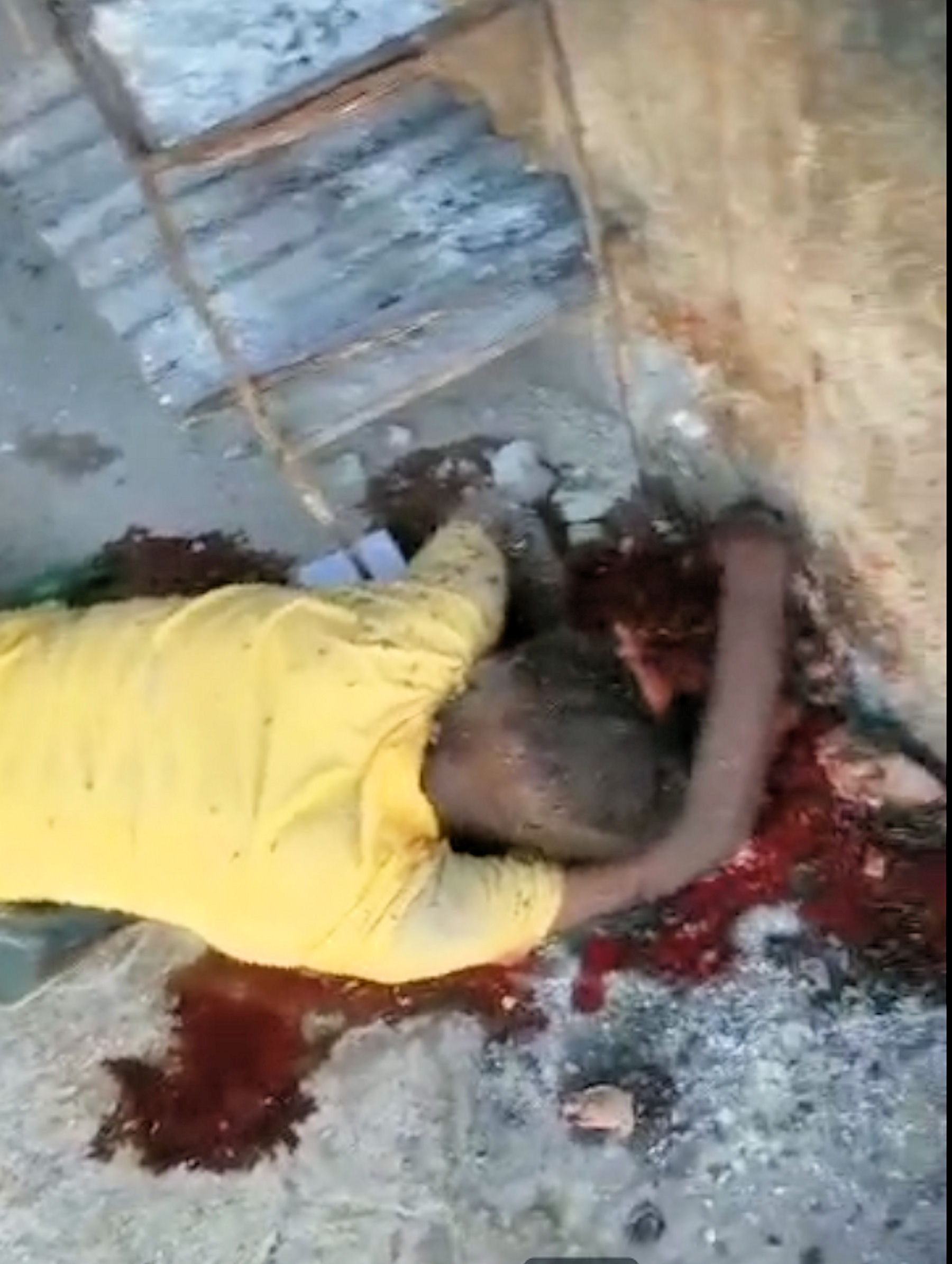
Although the CNE was located in an area controlled by Viv Ansanm, it was never overrun, vandalized, attacked, or robbed by them.
One explanation advanced for the destruction of the infrastructure equipment was to provide cover for government corruption.
Since 2023, the CNE’s workers’ union and others have accused and complained about massive corruption in the agency’s administration. Many of those in the CPT de facto government were among those accused of and responsible for that alleged corruption.
Indeed, once Vectus Global and the PNH had wrapped up operations covering for a criminal oligarch in Croix-des-Bouquets and CNE-connected government officials, they returned to murdering civilians.
As mentioned earlier, a Jan. 14 article by Haiti Liberté reported that drones killed 30 people on Jan. 1, Haiti’s Independence Day. The large crowd of musicians, their fans, and excited young people from the neighborhood had gathered at an intersection along Rue Saint Martin in downtown Port-au-Prince. None of the victims were members of armed groups, according to multiple sources.
These events underline the de facto government’s mobilization to “defeat the gangs” for what it actually is: A brutal war against the residents of Haiti’s popular neighborhoods that intends to further cement the power of Haiti’s comprador bourgeoisie that oversees Haiti’s political class.
Indeed, de facto Prime Minister Alix Didier Fils-Aimé promised that the “gangs and those who support them will be hunted down, one by one” in his inaugural speech as head of government and the State following the CPT’s dissolution.
The PNH are the foot soldiers for this war. Interviews with PNH officers confirm that they do not distinguish between civilians and members of armed groups as they shoot indiscriminately into the ghettos of Port au Prince.
In a recent interview with Dispatch, one masked officer explained that in the neighborhoods controlled by armed groups “it’s impossible that there are any civilians left … so we don’t need to see if they’re armed or not. We just strike.”
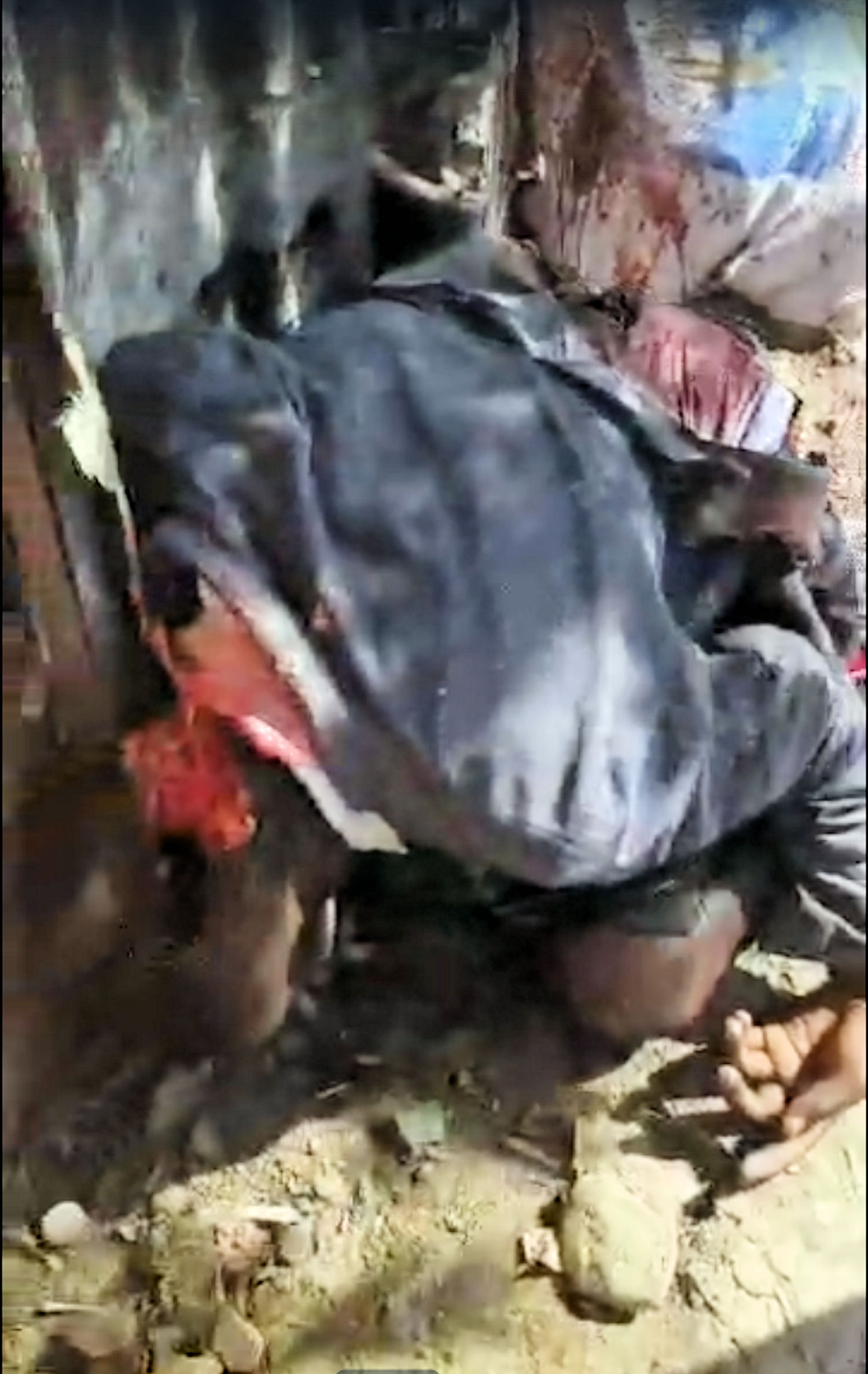
This attitude clearly prevails among police officers. Another report by France24 in May 2024 quoted another officer who said: “So we don’t need to know if they’re armed or not. We just fire.”
Around the time of the France24 piece, Haïti Liberté began receiving reports that the PNH was dumping the bodies of dozens of unidentified victims, mostly young men –- two, three, and four at a time — in an area called Maïs Gâté near the Health Ministry (MSPP) and the Port-au-Prince International Airport. Witnesses and Haïti Liberté reporters were too frightened to take photographs or video of the dumping ground, out of fear they would end up in it, but word of the killing field soon spread and the dumping there was stopped.
Whether it was sheer incompetence or a desire to provide cover for the interim government’s bloody war against the residents of Port-au-Prince’s slums, BINUH’s habit of labeling the victims as “gang members” serves the interests of Haiti bourgeoisie and political class. They want any form of resistance to U.S. imperialism eradicated.
Calls for Dialogue with Armed Groups Grow
Following the first drone attack in March 2025 on Viv Ansanm spokesperson Jimmy Cherizier, he pleaded once again for the interim government to engage in dialogue with the leaders of armed groups.
“The only thing that can extract Haiti from the hole it is in right now is dialogue,” Cherizier said. “Let us talk to each other and explain what we need.”
This followed a threat to acquire drones for future counter-attacks: “The reaction should be stronger than the action. You attacked me. I’m going to hit back… We have nothing to lose. We are field slaves.”
Cherizier’s militancy is reflected in the attitudes of many in Viv Ansanm. That is, the use of force to undermine the de facto government will continue until authorities engage in dialogue with Viv Ansanm leaders. They would rather die than see a return to the status quo for ghetto residents, which is a life of misery and squalor.
Several journalists have interviewed Viv Ansanm members. Their interviews persistently echo the views Cherizier shared. They also highlight the desperation caused by the crushing poverty in Haiti’s ghettos that make some young people open to Cherizier’s message.
For example, in an interview with Chris Must in November 2024, a leader of an armed group named Chef Asosi, led by Ti Lapli in the Carrefour Feuilles neighborhood, explained that at the age of 13 (before Viv Ansanm was founded), he “had dreams as a child” to become a doctor or a lawyer, “but because of the fact that the country [was] going down” he “had to do stuff to support himself” and “that dream is out of the window.”
When asked about Jimmy Cherizier, Asosi explained that what “Barbecue is doing is good for everyone, [for] the people.”
“Barbecue is going to be a part of the solution to the problem in Haiti”, he continued.
Speaking to Asosi through an interpreter, Chris Must asked “there’s guns everywhere, so you’re prepared for violence?”
The interpreter gave Asosi’s answer: “They say they are ready for whatever. If they come for violence, they’ll use violence. If they come for dialogue, they’ll use dialogue. But they [are] more into the dialogue, you know they want to talk.”
Referring to the armed group members gathered around Must’s crew, the interpreter explained that “they are his children. He don’t mind dying so the country will change.”
“He’ll die today for his country to change”, the interpreter continued.
“Does he think it will change?” Must asked.
“Yes, it has to change. One year, two years, three years … it has to change,” Asosi replied. His words reflect the views of many young men who make up Viv Ansanm forces.
Indeed, as Jake Johnston pointed out in a recent article, “violence remains the last barrier preventing a return to the status quo, to a system guaranteed to perpetuate it.”
The de facto Fils-Aimé government knows this. They have heard the pleas for dialogue and have chosen instead to continue the campaign of terror and bloodshed on behalf of their imperialist masters.
This bloody war fought on behalf of Haiti’s bourgeoisie and political elite against popular neighborhoods will inevitably end in many more thousands of Haitians dying violently. Furthermore, this war’s casualties will increasingly be children. Asosi’s story is not uncommon. Teenagers are easily recruited into Viv Ansanm – as in revolutions throughout history – because the other option is abject poverty.
The UN estimates that 30% to 50% of new recruits into Viv Ansanm are children. Approximately 45% of Haitians are under the age of 18, while 90% of the population lives in poverty. Although these UN reports provide cases where children were coerced into working for armed groups, they ignore testimonies like Asosi’s that show others have chosen to join armed groups with the hope that a more equitable society can be created through militant struggle that leads to dialogue.
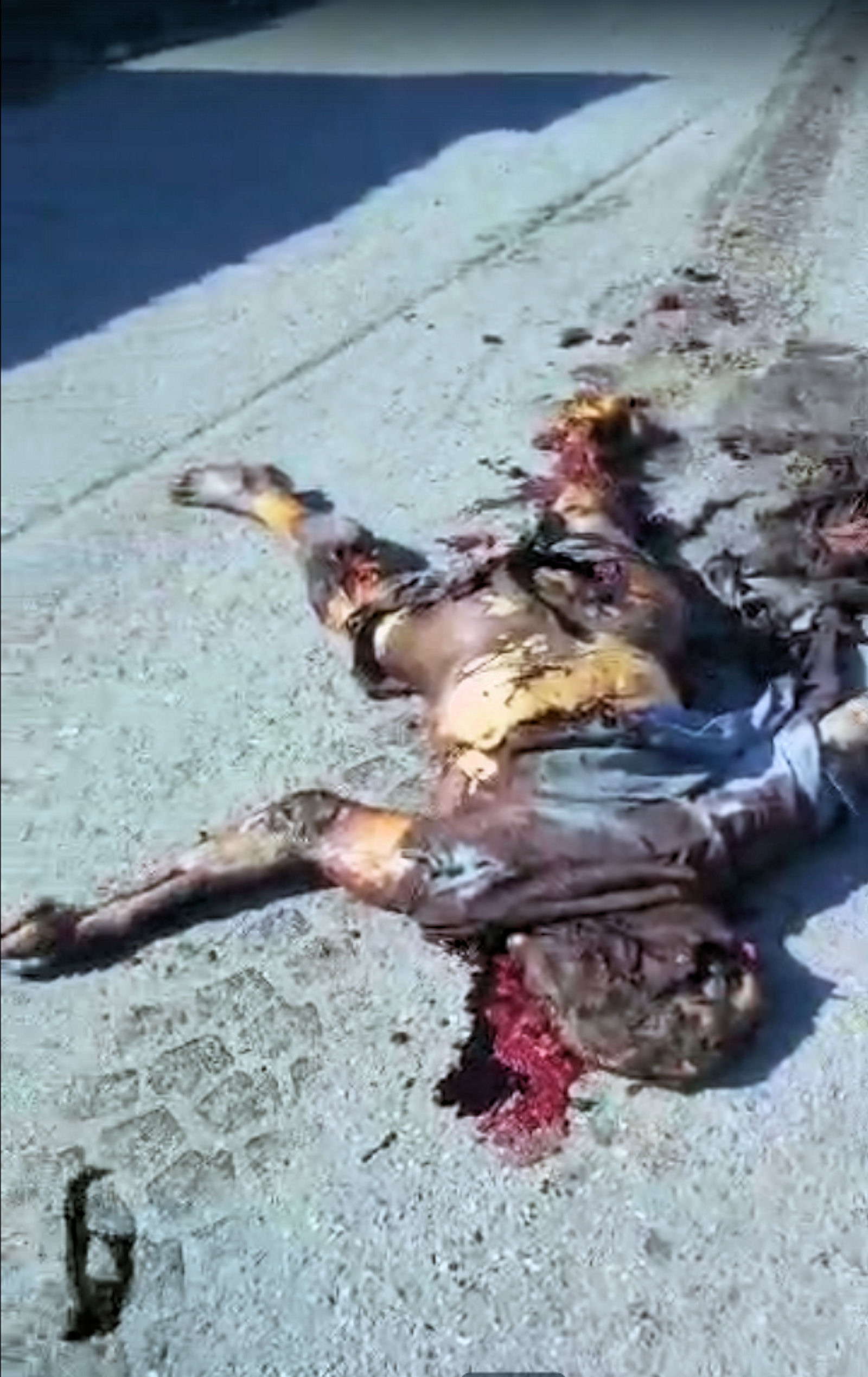
It is clear that Haiti’s bourgeoisie and political elite do not want to engage in dialogue to end violence because they do not want to address the root causes. Indeed, Fils-Aimé’s de facto government clearly doesn’t care that a majority of those killed in their “war against gangs” are not members of armed groups.
BINUH’s fourth quarterly report explained that “To date, the HRS [Human Rights Service] has received no information indicating that the authorities have opened investigations to establish the circumstances and responsibilities relating to deaths and injuries caused during operations by the security forces and the private military company, including cases in which children were affected.”
Despite the bourgeoisie’s opposition to dialogue with armed groups, the desire for dialogue is gaining popularity among the citizens of Port-au-Prince.
A recent report by the Institut de Recherche et d’Action pour la Paix (IRAP) found that over half expressed an interest in opening channels for dialogue with armed actors. Haitians living in popular neighborhoods are more inclined to support dialogue, while internally displaced persons were more likely to be opposed. IRAP consulted 523 Haitians.
The report contained another point of interest: armed actors, primarily members of armed groups and vigilante brigades, report a “sensation of being trapped in a vicious cycle of bloody violence; living under constant threat and unable to trust anyone.” This results in “extreme stress, fear, trauma; deep feelings of guilt and shame.”
The two primary reasons many Haitians supported dialogue were “necessity due to weak security apparatus” and “exhaustion,” as the population can’t withstand more violence.
The report goes on to explain that many residents of neighborhoods controlled by armed groups believe the PNH “considers them as legitimate targets” and fear relocating because of “fear of vigilante justice.”
The desire for dialogue and reconciliation with armed groups is held by other sectors of society as well. In January, several thousand held an interfaith march with a message: “Haiti cannot hope for a better future without dialogue, unity, and reconciliation.” The call for dialogue is also supported by Haitian academics and international figures.