
Creating a functional and attractive outdoor area requires more than choosing plants and adding decorative features. Many properties face challenges such as uneven terrain, soil erosion, drainage issues, and limited usable space. This is where Retaining Walls Landscaping in Canberra becomes an important part of landscape design, helping homeowners and property managers create stable, safe, and visually appealing outdoor environments.
From years of working with different landscape projects, it is clear that retaining walls are not just about improving appearance. A properly designed retaining wall supports soil, manages changes in elevation, and helps protect gardens and outdoor areas from long-term damage.
Why Retaining Walls Are Important in Landscaping
Retaining walls are structures designed to hold back soil and create level areas on sloped properties. In Canberra, where many properties experience changes in ground levels, these walls can provide practical solutions for both residential and commercial landscapes.
Without proper support, sloped areas can experience soil movement, water runoff problems, and erosion. Over time, this can affect gardens, pathways, fences, and even building foundations.
A professionally planned retaining wall can help:
- Prevent soil erosion and land movement
- Improve drainage and water control
- Create more usable outdoor areas
- Add structure and visual appeal to gardens
- Increase the functionality of sloped properties
The best results come when retaining walls are designed as part of a complete landscaping plan rather than treated as a standalone feature.
Choosing the Right Retaining Wall Materials
Different properties require different approaches. The right retaining wall material depends on factors such as soil conditions, wall height, drainage requirements, budget, and the overall style of the landscape.
Common options include:
Concrete Retaining Walls
Concrete is a strong and durable choice for projects requiring long-term stability. It is often used where structural strength is a priority, especially for larger retaining walls.
Timber Retaining Walls
Timber walls can create a natural appearance and work well in gardens where a softer landscape style is preferred. They are commonly used for smaller garden areas and decorative landscaping projects.
Stone and Brick Garden Walls
Stone and brick walls provide a timeless look and can complement traditional and modern outdoor designs. These materials are often chosen when appearance is an important consideration.
An experienced landscaper can assess the site and recommend a suitable option based on practical requirements rather than simply choosing a material based on appearance.
The Process Behind Professional Retaining Wall Landscaping
A successful retaining wall project involves careful planning before construction begins. Skipping important preparation steps can lead to drainage problems, cracking, or wall movement in the future.
Site Assessment
The first step is understanding the property conditions. This includes checking the slope, soil type, water flow, and surrounding structures.
Planning and Design
A good design considers both function and appearance. The wall should support the landscape while fitting naturally with gardens, pathways, outdoor areas, and existing features.
Ground Preparation
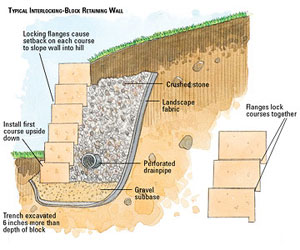
Proper excavation and foundation preparation are essential. A stable base helps prevent shifting and improves the lifespan of the wall.
Drainage Installation
Drainage is one of the most important parts of retaining wall construction. Water pressure behind a wall can cause serious problems if it is not managed correctly. Professional installation often includes drainage systems to reduce pressure and improve durability.
Construction and Finishing
Once the structure is installed, finishing touches such as garden beds, plants, lighting, or pathways can complete the landscape design.
Common Retaining Wall Problems and How to Avoid Them
Many retaining wall issues happen because of poor planning or incorrect installation. Some common problems include:
- Cracks caused by movement or pressure
- Water buildup behind the wall
- Leaning or unstable structures
- Soil erosion around the edges
- Incorrect materials for site conditions
Working with experienced professionals helps identify potential challenges early and ensures the wall is built to suit the property.
Benefits for Businesses and Property Owners
For businesses, contractors, and property owners, quality landscaping can improve both usability and presentation. Outdoor areas often influence how people view a property, especially for commercial spaces.
A well-designed retaining wall can create:
- Safer pathways and outdoor spaces
- Improved property appearance
- Better use of available land
- More organised garden layouts
- Reduced future maintenance issues
For contractors and service providers, understanding retaining wall fundamentals also helps when planning larger landscaping projects that require reliable structural solutions.
Frequently Asked Questions
Do retaining walls require drainage?
Yes. Proper drainage is essential because water pressure behind a retaining wall can weaken the structure over time. A well-planned drainage system helps protect the wall and surrounding landscape.
How long do retaining walls usually last?
The lifespan depends on the materials used, installation quality, soil conditions, and maintenance. Professionally installed retaining walls can provide many years of reliable performance.
Can retaining walls improve a small garden area?
Yes. Retaining walls can create multiple levels in smaller spaces, making gardens more functional and visually interesting.
Is every retaining wall project the same?
No. Each property has different conditions, including slope, soil type, drainage needs, and design goals. A customised approach usually provides better results than a one-size-fits-all solution.
Creating Long-Lasting Outdoor Spaces
Retaining walls are an important part of practical landscape design, especially for properties dealing with uneven ground, erosion concerns, or limited outdoor space. When properly planned and installed, they provide both structural support and aesthetic value.
Whether you are improving a residential garden, managing a commercial property, or planning a larger landscaping project, investing in a well-designed retaining wall can make the outdoor area safer, more functional, and easier to maintain.