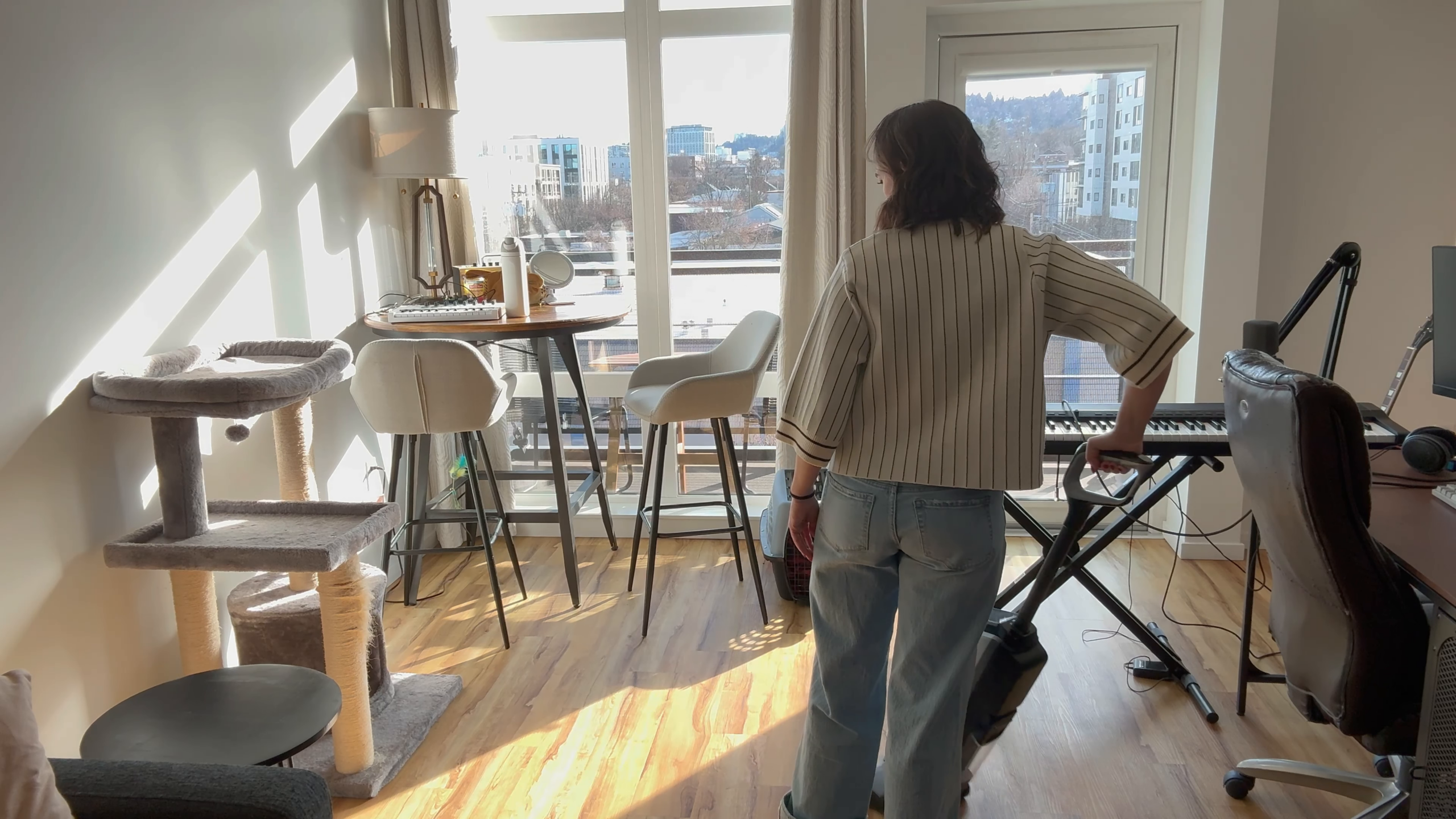
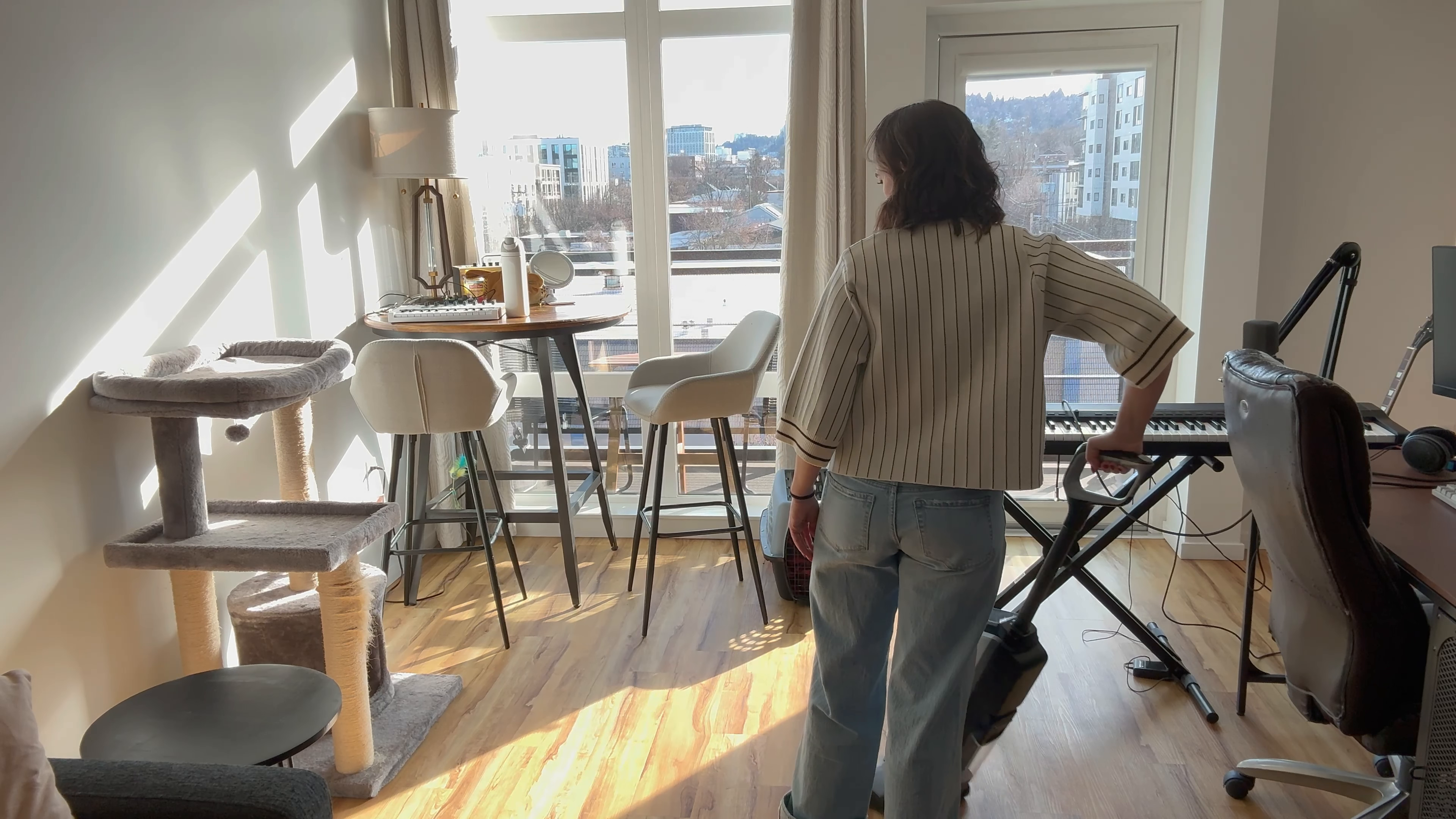

Green Hands Cleaning Services has worked inside hundreds of apartments across Queens and Brooklyn. What the team finds inside buildings in Flatbush, Crown Heights, East Flatbush, and Jackson Heights tells a clear story.
The buildings where many Haitian families live are older, denser, and more connected to each other than most American housing. That creates specific health risks that rarely get discussed openly. And most families don’t know the risks are there at all.
200,000 Families. One Shared Problem.
New York City is home to one of the largest Haitian diaspora communities in the world. The NYC Mayor’s Office of Immigrant Affairs estimates over 200,000 Haitian immigrants and their American-born children live across the five boroughs. The largest concentration sits in Brooklyn: Flatbush, East Flatbush, Crown Heights, and Canarsie.
Many of these families live in buildings built before 1960. The New York City Housing and Vacancy Survey shows Brooklyn has a higher share of pre-1940 housing stock than almost any other urban area in the country.
Older buildings mean shared walls. Shared ventilation. And shared pest populations.
What Lives Inside the Walls
Columbia University’s Mailman School of Public Health found that 85% of New York City apartments contain measurable cockroach allergen levels.
But most people don’t know this: cockroach allergen is not just a sign of active infestation. It persists in walls, floor cracks, and cabinet interiors long after any visible pest problem is gone. It lives in settled dust. It recirculates through shared ventilation systems. And it triggers severe asthma attacks.
In New York City, asthma rates among Black children are three times higher than among white children. Research from the NYC Health Department links this gap directly to indoor allergen exposure in older housing stock. These are the same buildings where Haitian families have been renting for decades.
A child sleeping in a bedroom with a rug, a wall crack nearby, or a bed against an older baseboard is breathing cockroach allergen proteins through the night. Regular cleaning does not remove these allergens. They require specific techniques: HEPA vacuuming, targeted surface treatment, and focused attention on the areas where allergen collects.
The Lead Paint Problem in Flatbush and Crown Heights
The United States banned lead paint in residential buildings in 1978. That sounds like a long time ago. It isn’t, for the buildings where most Haitian families in Brooklyn live.
Buildings constructed before 1978 can contain lead paint buried under newer paint layers. When that paint chips, scuffs, or deteriorates, it releases lead dust. Lead dust is invisible and odorless. A child doesn’t know they’re touching it or breathing it.
The NYC Department of Health found that children in Brooklyn have higher rates of elevated blood lead levels than children in Staten Island or Manhattan. The neighborhoods with the highest risk overlap directly with the neighborhoods where Haitian families are concentrated: Flatbush, East Flatbush, Bushwick, and Crown Heights.
During a move-in clean, lead dust on window sills, painted surfaces, and floor edges can be disturbed and spread if not handled with proper technique. A professional move-in cleaning addresses this by using methods that trap and remove dust rather than push it into the air.
Why Haitian Kitchens Accumulate Grease Faster
Haitian cooking is a source of pride and community. Griyo. Diri ak pwa. Soup joumou. These dishes require sustained high heat, deep frying, and long simmering.
High-heat cooking produces more airborne grease than lighter cooking styles. That grease doesn’t just stay on the stove. It travels through the air and coats range hoods, cabinet doors above the stove, wall tiles, and ceiling surfaces near the cooking area.
Over six months without a professional deep clean, the range hood in a Haitian kitchen builds grease layers that standard household cleaners cannot cut through. Those grease layers become a sticky surface that collects bacteria and airborne particles. They are also one of the first things a landlord checks during a move-out inspection.
The Security Deposit Problem That Costs Families Thousands
A 2022 StreetEasy survey found that cleaning disputes are the number one reason New York City renters lose part or all of their security deposit. Not property damage. Cleaning.
The average security deposit deduction for cleaning in NYC runs between $400 and $2,400. For families working multiple jobs and saving every dollar, that is real money lost on something preventable.
Landlords inspect six specific areas at move-out: the oven interior, behind and under the refrigerator, bathroom tile grout, window tracks and blinds, cabinet interiors, and baseboards. Most routine cleaning misses all of them.
For families who move frequently due to rising rents, this loss happens again and again. Over ten years of renting in NYC, a family that loses $500 per move has lost thousands of dollars in cleaning deductions alone.
Professional house cleaning in Queens covers all of these areas in a structured process that addresses exactly what landlords inspect.
The Flatbush Summer: Humidity, Mold, and Bathroom Grout
Brooklyn summers are punishing for bathroom grout.
From June through September, outdoor humidity in NYC regularly sits above 65%. In apartments without proper ventilation, bathroom humidity climbs even higher. Mold grows into grout lines within weeks under these conditions.
Black mold visible in bathroom grout is not just an aesthetic problem. The New York State Department of Health lists mold exposure as a trigger for respiratory symptoms, coughing, and worsened asthma. For households with young children or elderly family members, keeping bathroom grout clean during summer months is a direct health action.
Standard bathroom spray does not remove mold embedded in grout. It requires scrubbing tools and specific products that break down mold at the surface level rather than simply bleaching the top layer.
What a Deep Clean Actually Covers
Most people don’t know what professional deep cleaning covers because they’ve never seen it done properly.
In a standard apartment, a professional deep clean addresses:
- Inside the oven and oven drawer
- Inside the refrigerator, including the drip pan underneath
- Behind the refrigerator and stove
- All cabinet interiors and shelf surfaces
- Bathroom tile and grout from floor to ceiling
- Baseboards along every wall
- Window tracks, sills, and blinds
- Door frames and light switch plates
- Tops of ceiling fans and light fixtures
- All closet interiors and shelving
This is different from a weekly clean. A weekly clean maintains surface cleanliness. A deep clean addresses the buildup that accumulates over months: grease, allergens, mold, and settled particulate matter from NYC streets and shared building systems.
For families moving into a new apartment, a move-in deep clean removes whatever the previous tenant left behind, including allergens, grease, and dust residue on window sills and painted surfaces.
The Time Calculation That Changes How Families Think About Cleaning
A thorough deep clean of a two-bedroom Brooklyn apartment takes a single person 10 to 14 hours.
Most Haitian families in New York work demanding schedules: nursing, home health aide work, construction, restaurant and food service, transportation. The typical household does not have a free Saturday for a deep clean of this scope.
Professional deep cleaning for a two-bedroom Brooklyn apartment runs $250 to $400. For a family earning the NYC median household income, that is between 3 and 5 hours of take-home pay. Doing the same job personally costs 10 to 14 hours plus physical effort and cleaning supplies.
The calculation changes completely when health outcomes are added in. For a household with a child who has asthma, a quarterly deep clean that removes cockroach allergen from the bedroom and living area is not a luxury. It is a health investment with a direct impact on how well that child breathes and sleeps.
NYC has more than 500,000 residential moves each year according to U.S. Postal Service data. October 1 and October 15 are the peak move-out days in Queens and Brooklyn, when thousands of apartments are vacated and inspected in a two-week window. Booking a professional cleaning service two to three weeks before those dates is standard practice for families who want to protect their deposit.
Knowing what’s inside the walls of NYC’s older buildings, and knowing what it takes to address it, gives families the power to protect their health, their money, and their homes.
About Green Hands Cleaning Services Corp
Green Hands Cleaning Services Corp is a residential cleaning company based in East Elmhurst, Queens. The team serves apartments, condos, and homes across Queens, Brooklyn, and Manhattan. Services include deep cleaning, move-in and move-out cleaning, recurring maid service, after-party cleaning, pet-friendly cleaning, same-day and emergency cleaning, and post-construction cleaning. All cleaners are fully background-checked, and every service is insured and bonded. Green Hands focuses on the real cleaning challenges of New York City apartments, from pre-war buildings in Flatbush and Crown Heights to condos in Long Island City and townhouses in Forest Hills.
Green Hands Cleaning Services Corp
22-16 79th St, East Elmhurst, NY 11370, United States
greenhandscleaningservices.com
+1 212-812-9418