

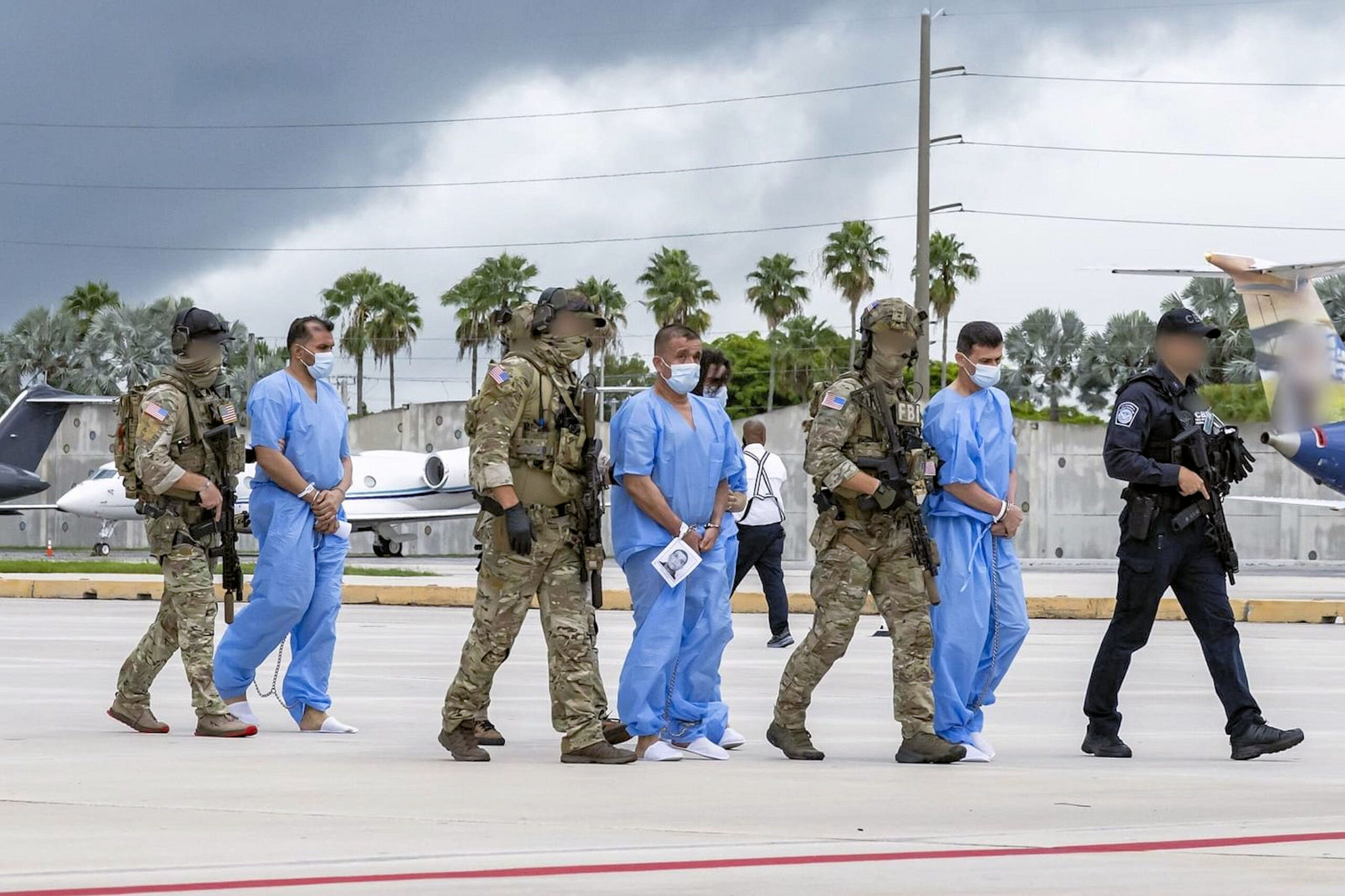
The extradition of 18 suspects in President Jovenel Moïse’s assassination to the United States has triggered renewed criticism of Haiti’s justice system, five years after the killing and without a trial in the country.
The group, which includes key suspect and former Haitian government official Joseph Félix Badio and 17 jailed Colombian commandos, was transported Sep. 20 from Port-au-Prince to Miami aboard a U.S. military aircraft, federal authorities confirmed. The defendants are expected to face federal charges and arraign in the Southern District Court of Florida.
U.S. Attorney Jason A. Reding Quiñones announced the transfer on X, saying 30 people have been indicted in connection with Moïse’s assassination.
“Today marks the next major phase in our pursuit of accountability for the assassination of President Jovenel Moïse,” Quiñones said. He added that U.S. authorities would continue following evidence involving people who allegedly financed, facilitated, or supported the plot.
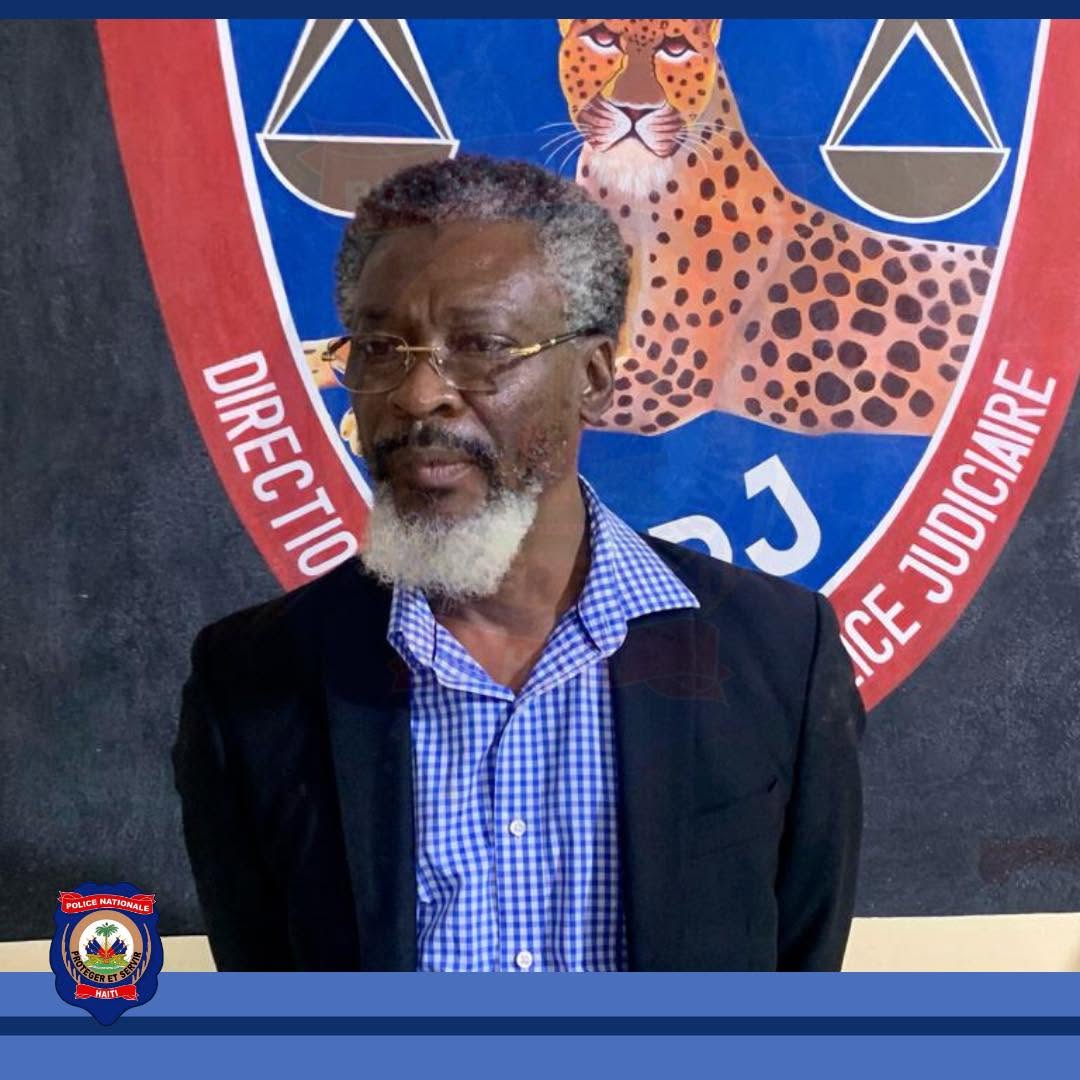
Criminal defense lawyer Windy Phèle questioned the legal basis for sending suspects accused in the killing of a Haitian president to face trial abroad before Haiti’s own judicial process is completed.
In a post on X, Phèle described the decision as evidence of a broader failure of Haiti’s institutions and called for those who authorized the transfer to be held accountable.
“Haiti deserves to be in the state it’s in,” said Phèle. “If we were truly a country, everyone, from the justice minister to the judges who allowed this mess to happen, would be tried, convicted, and sent to prison.”
Haitian jurist Iswick Theophin also said the extradition lacked a legal basis, contradicting the government’s position.
“It’s a complete mess,” Theophin said.
However, Justice Minister Patrick Pélissier defended the transfer, saying in a statement that it was carried out under extradition mechanisms between the two countries and at the request of U.S. authorities. Pélissier added that the move would help establish the facts and determine responsibility, provide judicial guarantees, and protect the proceedings from outside influence.
The dispute over the extradition comes against the backdrop of a Haitian investigation that has struggled to advance since Moïse was killed in his bedroom in Pèlerin, Port-au-Prince, on Jul. 7, 2021.
U.S. prosecution moves ahead
While Haiti’s case has remained stalled, the U.S. prosecution has produced new indictments.
The transfer of the 18 defendants came as U.S. prosecutors unsealed an indictment naming 30 defendants in the case, including 11 people who were newly indicted. Federal authorities have arrested about a half-dozen of the newly charged defendants, according to the Miami Herald.
Also on the list of 30 defendants is Haitian-Palestinian businessman Samir Handal, whom the FBI arrested in Miami Sep. 20. Prosecutors allege that Handal provided food and housing to South Florida resident Christian Emmanuel Sanon, a Haitian American physician and pastor considered central to the case. He is scheduled to face trial next week on charges related to an alleged plot to kidnap or kill Moïse. Handal was previously arrested at Istanbul Airport in Turkey in November 2021 for allegedly being one of the masterminds behind Moïse’s assassination. A Turkish court rejected an extradition request against Handal and released him in August 2022.
Among those newly named in the indictment is Vitel’homme Innocent, leader of the Kraze Baryè (Break down the walls) armed group and a member of the Viv Ansanm (Live Together) coalition. Innocent, already wanted by the FBI for the kidnapping of U.S. citizens in Haiti, faces three federal counts, including conspiracy to kill or kidnap Moïse.
The Miami Herald reported that four names in the indictment were redacted, suggesting those suspects may not have been arrested yet, as the investigation continues.
In May, a federal jury in Miami convicted four defendants — Arcangel Pretel Ortiz, Antonio Intriago, Walter Veintemilla and James Solages — for their roles in the plot to kill or kidnap Moïse and provide material support for the operation. They face life in prison.
At least five other defendants, including ex-Senator John Joël Joseph and Haitian-Chilean businessman Rodolphe Jaar, have pleaded guilty in U.S. federal court and received life sentences.
U.S. prosecutors have argued that the assassination plot was substantially planned and financed from South Florida, giving U.S. courts jurisdiction over parts of the case.
The latest extradition therefore marks another shift in a case where the most consequential courtroom proceedings surrounding Moïse’s assassination are taking place in U.S. courts while Haiti’s own investigation remains unresolved.
A case stalled in Haiti
Five years after the assassination, Haiti has yet to hold a trial in the case. Changes in investigating judges, legal challenges, threats against judicial officials, and the broader deterioration of security have repeatedly disrupted the judicial investigation.
The Port-au-Prince Court of Appeals reopened the investigation last year after overturning a ruling by former investigating judge Walter Wesser Voltaire, who had indicted nearly 50 people, including several prominent political figures and associates of Moïse.
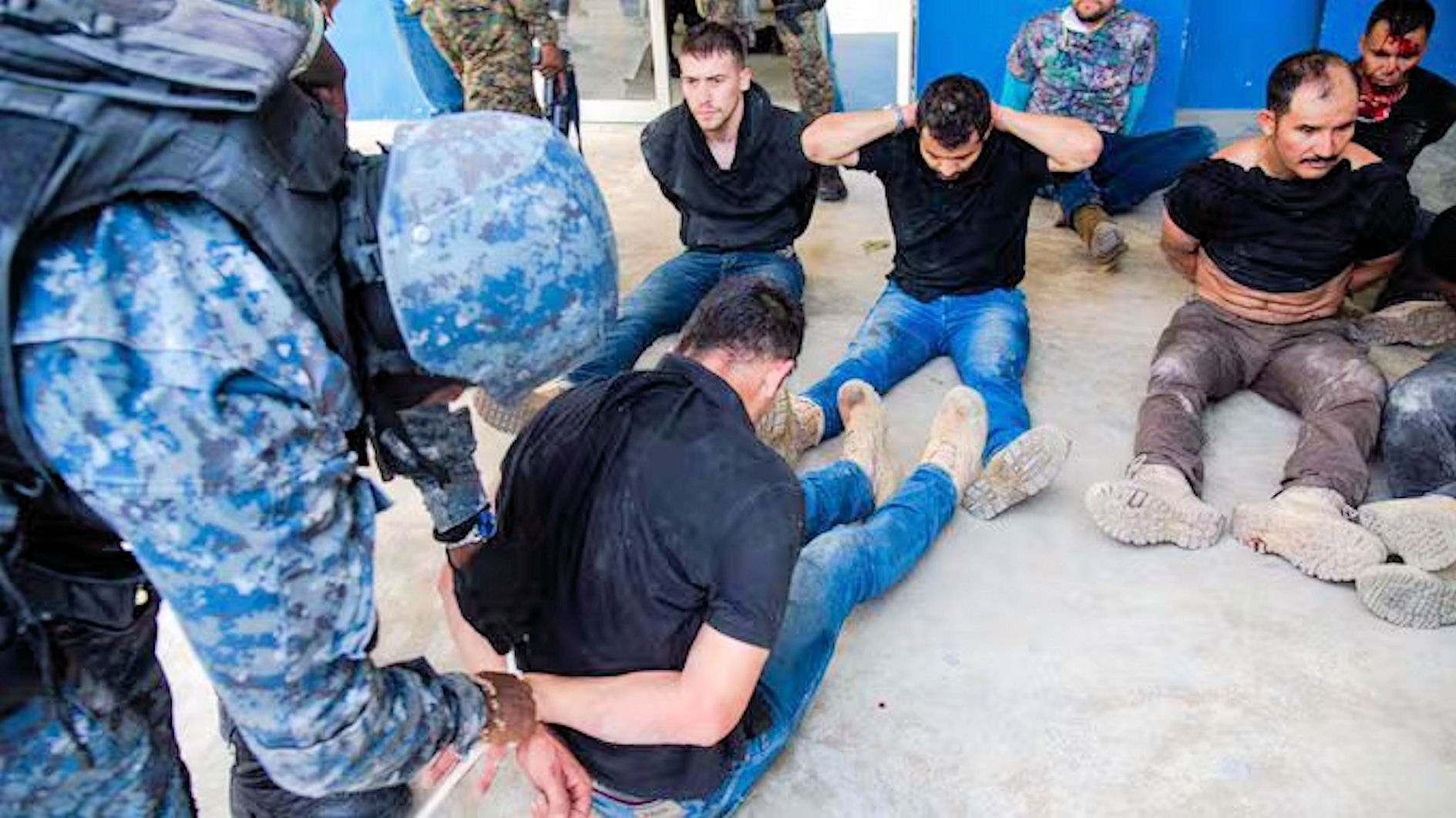
The current investigating judge, Jean Denis Cyprien, has since questioned several people connected to the case, including former President Michel Joseph Martelly, Haitian National Police Director General André Jonas Vladimir Paraison, journalist Jean Monard Métellus, and executive director of the National Human Rights Defense Network (RNDDH) Pierre Espérance [who was photographed from behind meeting with the coup’s plotters – HL].
Badio, a former Justice Ministry official and considered a key suspect, last appeared before Cyprien on Apr. 17. But the investigation has not yet produced a trial in Haiti.
The justice system has also operated under extraordinary security constraints. Battles between the Haitian national police, mercenaries, and neighborhood armed groups has disrupted court operations, threatened judicial personnel, and limited the state’s ability to conduct investigations in parts of the country.
The assassination itself deepened Haiti’s political crisis, leaving the country without an elected national executive and was followed by a prolonged political transition as armed groups expanded their territorial influence.
Shaping the narrative around Moïse’s killing
The U.S. prosecution has also increasingly shaped the public narrative surrounding the assassination.
U.S. prosecutors have publicly described the killing as a transnational conspiracy involving people who allegedly sought financial benefits and business opportunities. The FBI has said it will continue pursuing people who allegedly financed, facilitated, or supported the operation.
The U.S. Justice Department has separately prosecuted people accused of financially supporting the plot. In July, South Florida financier Keegan Harricharan was sentenced to 20 years in federal prison after pleading guilty to laundering hundreds of thousands of dollars in fraudulently obtained COVID-19 relief funds that prosecutors said helped finance the assassination plot.
“President Jovenel Moïse was assassinated by individuals seeking to profit from illicit financial opportunities and business contracts,” Brett Skiles, the FBI Special Agent in Charge, said Sunday, renewing an argument made during the nine-week trial that resulted in the four May convictions.
Skiles said today’s action underscores the FBI’s continued commitment to bringing all individuals involved in the plot to justice, including those who allegedly sought to profit from the assassination of a head of state.
The U.S. federal authorities believe that they are better equipped and positioned to bring about justice in the bloody murder.
“HSI [Homeland Security Investigations] is uniquely positioned to investigate complex crimes that cross borders, exploit financial systems, and threaten the security of the United States and the international community,” said Special Agent José R. Figueroa.
This is a slightly abridged and edited version of an article originally published in The Haitian Times.







Thank you for publishing this article. It was factual and free of unsupported statements.