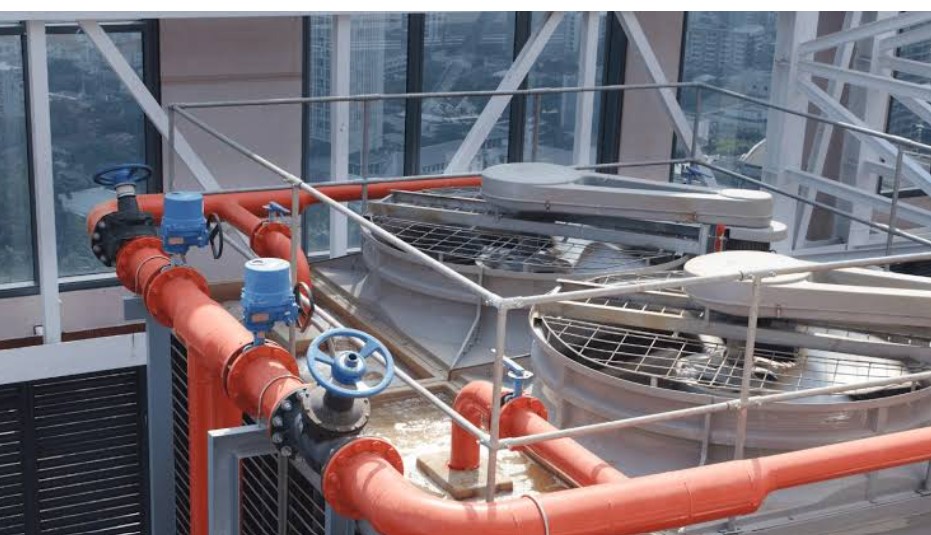

Cooling towers are designed for long-term operation, but individual components can eventually wear out, become damaged, or require replacement. Regular maintenance is therefore an important part of keeping a cooling system operating efficiently.
Selecting the correct cooling tower replacement parts requires more than finding a component that looks similar to the original. Dimensions, materials, operating conditions, equipment configuration, and compatibility all need to be considered.
A structured replacement strategy can help maintenance teams reduce downtime and avoid unnecessary purchasing mistakes.
Why Replacement Parts Are Necessary
Cooling towers operate in environments involving water, airflow, mechanical movement, and temperature changes. Over time, certain components may experience normal wear.
Parts such as fans, motors, bearings, nozzles, fill, seals, and water-distribution components can require maintenance or replacement depending on operating conditions.
Replacing a worn component at the appropriate time can help maintain the overall performance of the cooling system.
Identify the Cooling Tower Model
Before ordering a replacement part, the first step is to identify the exact tower model and configuration.
Maintenance records, equipment labels, technical manuals, and previous purchase documents can provide useful information.
If the model is unclear, measurements and photographs may help suppliers identify the appropriate component, but technical verification should still be completed before installation.
Check Dimensions Carefully
Even components that look similar can have different dimensions.
For example, fans, nozzles, fill modules, bearings, and other parts may differ in size or mounting configuration.
Before purchasing, confirm measurements such as length, diameter, connection size, mounting points, and other relevant specifications.
Accurate measurements can prevent delays caused by ordering incompatible components.
Material Compatibility
Material selection is another important consideration.
Cooling tower components may be exposed to water-treatment chemicals, humidity, temperature changes, and other environmental conditions.
A replacement component should therefore be suitable for the operating environment. Using an inappropriate material may reduce service life or create additional maintenance problems.
Fan Components
Fans are critical in mechanical cooling towers because they support airflow through the system.
Replacement requirements may involve fan blades, hubs, shafts, motors, bearings, or other related components.
When replacing a fan component, balance and compatibility are particularly important. Incorrect installation can contribute to vibration or inefficient operation.
Fill Replacement
Fill material can deteriorate or become blocked over time.
Scaling, biological growth, debris, or physical damage may reduce the effectiveness of the fill.
When replacement is necessary, the new fill should match the tower’s design and water-distribution arrangement. Installing an unsuitable configuration can affect water flow and cooling performance.
Nozzle Replacement
Spray nozzles are another component that may need attention.
A blocked nozzle can reduce water distribution, while a damaged nozzle can alter the spray pattern.
When replacing nozzles, confirm the required flow rate, connection type, material, and spray characteristics.
Small components can have a significant effect on the overall water-distribution system.
Drift Eliminator Replacement
Drift eliminators help reduce water droplets leaving the tower with exhaust air.
Damaged or incorrectly installed eliminators may affect their ability to perform this function.
Replacement pieces should match the tower’s design and be installed according to the manufacturer’s specifications.
Bearings, Seals, and Mechanical Components
Mechanical components may require replacement due to normal wear.
Bearings and seals should be inspected for signs of deterioration, abnormal noise, overheating, leakage, or vibration.
Maintenance teams should follow appropriate procedures when replacing mechanical components and verify correct alignment after installation.
Keep Spare Parts in Stock
Facilities that depend heavily on cooling systems may benefit from maintaining an inventory of commonly required components.
The exact stock level depends on the facility’s operating requirements and the availability of replacement parts.
Critical components with long procurement times may deserve particular attention.
A basic spare-parts inventory can help reduce the duration of unexpected maintenance events.
Use Maintenance Records
Good maintenance records can make replacement planning easier.
Records can include:
- Component name
- Model or part number
- Installation date
- Replacement date
- Supplier
- Maintenance notes
- Observed failure causes
Over time, these records can reveal which components require frequent attention and help the facility plan future purchases.
Avoid Replacing Parts Without Diagnosis
Not every cooling problem requires immediate component replacement.
Reduced performance could be caused by water quality, blocked nozzles, airflow restrictions, incorrect operating conditions, or another issue.
A proper inspection should identify the underlying cause before parts are ordered.
Replacing the wrong component can increase costs without solving the actual problem.
Facilities researching cooling tower replacement parts can use component information as part of a broader maintenance and replacement strategy.
Frequently Asked Questions
- How do I choose the correct cooling tower replacement parts?
Identify the tower model and verify the component’s dimensions, material, specifications, mounting configuration, and operating requirements before ordering.
- Should cooling tower spare parts be kept in inventory?
For critical systems, keeping selected spare components available can reduce downtime. The appropriate inventory depends on equipment importance, failure history, and replacement lead times.
- Can a similar-looking component be used as a replacement?
Appearance alone is not enough to confirm compatibility. Technical specifications and dimensions should be verified before installation.
Conclusion
Choosing cooling tower replacement parts correctly is an important part of long-term equipment maintenance. The right replacement should match the tower’s model, dimensions, materials, operating conditions, and technical requirements.
A reliable replacement strategy includes accurate equipment identification, preventive inspection, maintenance records, appropriate spare-parts planning, and proper diagnosis before purchasing. These practices can help facilities manage maintenance more efficiently and keep their cooling systems operating reliably over time.