

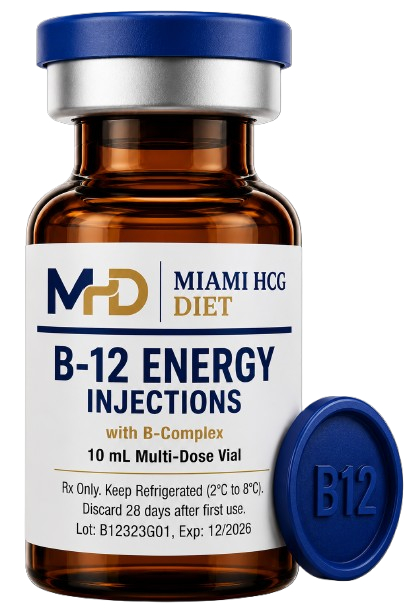

Finding a weight management approach that fits your lifestyle can feel challenging, especially when you are balancing work, family, and everyday responsibilities. Many people explore different diet plans in search of a structured way to manage their weight and build healthier habits. One option that has attracted attention is the HCG diet, a program associated with specific dietary restrictions and the hormone human chorionic gonadotropin (HCG).
For individuals researching the HCG diet in Miami, understanding how the program works, what scientific evidence says, and which alternatives may offer safer long-term results is an important first step. Before starting any restrictive eating plan, it is worth looking beyond advertised results and considering your individual health needs.
What Is the HCG Diet?
The HCG diet is a weight-loss approach that combines HCG products with a very low-calorie eating plan. HCG is a hormone naturally produced during pregnancy. Some commercial programs have promoted HCG injections, oral drops, or other products alongside strict meal plans.
However, the proposed weight-loss benefits of HCG itself are not supported by reliable scientific evidence. The weight loss associated with these programs is more plausibly explained by severe calorie restriction than by the hormone.
The U.S. Food and Drug Administration (FDA) has also warned consumers about HCG weight-loss products. Understanding these concerns can help people make informed decisions rather than relying on dramatic marketing claims.
How Does an HCG Weight-Loss Program Work?
Traditional HCG diet plans typically involve two main elements: HCG products and a tightly controlled calorie intake. Some versions restrict daily food consumption to approximately 500 calories, which is far below the needs of most adults.
The Role of Dietary Restrictions
These programs may prescribe limited portions of lean protein, vegetables, fruit, and other selected foods. Although meal structure can help some people plan their eating habits, an extremely low-calorie diet can make it difficult to obtain enough essential nutrients.
Potential concerns include:
- Fatigue, weakness, and dizziness
- Nutritional deficiencies
- Loss of muscle mass
- Electrolyte imbalances
- Gallstone formation during rapid weight loss
A medically supervised nutrition plan should prioritize adequate nourishment and sustainable progress instead of pursuing rapid changes on the scale.
Does HCG Actually Cause Weight Loss?
Research has not established that HCG injections or other HCG products effectively promote weight loss or reduce hunger. The American Society of Bariatric Physicians and other medical organizations have raised concerns about unsupported claims surrounding hormone-based dieting.
People considering an HCG program should speak with a qualified healthcare professional about the evidence, potential risks, and better-supported options.
Exploring the HCG Diet in Miami
Miami residents have access to a variety of weight management resources, including nutrition counseling, medical weight management services, and personalized lifestyle programs. When researching the HCG diet in Miami, it is important to evaluate a provider’s approach carefully and understand what any proposed treatment involves.
Rather than focusing only on advertised pounds lost, ask whether a program supports your overall health and helps you maintain progress over time.
Questions to Ask Before Choosing a Program
Before enrolling in a weight management service, consider asking:
- What medical qualifications does the supervising professional have?
- What evidence supports the recommended treatment?
- Will the plan provide sufficient calories, protein, vitamins, and minerals?
- Are there medical assessments or follow-up appointments?
- What happens when the initial program ends?
- Are the costs, limitations, and potential risks explained clearly?
These questions can help you compare services and identify an approach that puts your health first.
Healthier Alternatives for Sustainable Weight Management
Long-term weight management generally depends on a combination of balanced nutrition, physical activity, sleep, and consistent habits. A healthcare professional can help tailor these elements to your circumstances.
1. Choose Balanced, Nutrient-Rich Meals
Build meals around vegetables, fruit, whole grains, lean proteins, and healthy fats. Appropriate portions can support gradual weight management without unnecessarily eliminating entire food groups.
2. Make Physical Activity Part of Your Routine
Walking, swimming, cycling, and strength training can support cardiovascular health, mobility, and muscle maintenance. Start at a comfortable level and increase activity gradually.
3. Consider Professional Nutrition Guidance
A registered dietitian can develop an eating plan that reflects your preferences, schedule, medical history, and goals. Personalized guidance may also make it easier to address emotional eating, irregular meals, or other obstacles.
4. Discuss Evidence-Based Medical Options
For some individuals, prescription weight-management medications or other medical treatments may be appropriate. Eligibility depends on factors such as health history, body mass index, existing conditions, and potential side effects. A licensed clinician can explain the available options and help determine whether any are suitable.
Conclusion
Exploring the HCG diet in Miami can be an opportunity to learn more about different approaches to weight management, but it is essential to separate promotional claims from established medical evidence. HCG has not been proven effective for weight loss, and the severe calorie restriction associated with traditional plans may carry significant health risks.
Before committing to a program, consult a qualified healthcare professional, review the evidence, and consider sustainable alternatives that support your nutritional needs. For more information about local weight management services, visit Miami HCG Diet and ask detailed questions about the program, its medical oversight, and the evidence behind its recommendations.
Take the next step: Make an informed decision by discussing your weight management goals with a qualified healthcare professional who can help you choose a safe, individualized plan.
Frequently Asked Questions (FAQs)
1. What is the HCG diet in Miami?
It refers to weight-loss programs offered or researched in Miami that combine HCG products with restrictive eating plans. HCG itself has not been shown to produce meaningful weight loss.
2. Is the HCG diet FDA-approved for weight loss?
No. The FDA has not approved HCG products for weight loss. Prescription HCG products have specific medical uses, but weight management is not an approved indication.
3. Can the HCG diet help me lose weight quickly?
Severe calorie restriction can lead to rapid short-term weight loss, but this does not demonstrate that HCG is effective. Rapid weight loss may also cause nutritional deficiencies, muscle loss, and other complications.
4. Is the HCG diet safe for everyone?
No. Very low-calorie diets may be dangerous, particularly without medical supervision. Anyone considering a restrictive program should discuss their medical history, medications, and nutritional requirements with a qualified clinician.
5. What are safer alternatives to the HCG diet?
Options include balanced meal planning, regular physical activity, behavioral support, registered dietitian consultations, and evidence-based medical treatments when appropriate. The best choice depends on individual health needs and goals.
6. How should I choose a weight management provider in Miami?
Look for appropriate professional credentials, transparent pricing, clear explanations of risks, individualized assessments, and ongoing follow-up. Be cautious of guaranteed results or claims that are not supported by credible scientific evidence.