(Français)
I want to address Haiti’s authorities, those responsible for agriculture, the environment, civil protection, local communities, economic actors, and all those charged with preparing Haiti for the crises of tomorrow.
There are natural phenomena that seem to belong to another world until their consequences reach our fields, our markets, our plates, and our lives. El Niño is one of them.
Born in the Pacific Ocean’s tropical waters, thousands of kilometers from Haiti, it is a climatic phenomenon capable of influencing rainfall, temperatures, droughts, floods, agriculture, fisheries, and even certain economic activities across the globe.
I don’t wish to predict a catastrophe, much less to give in to alarmism, but to ask a fundamental question: Is Haiti truly prepared to face the potential consequences of a climatic phenomenon that science allows us to monitor and anticipate? First we have to know: what exactly is El Niño?
El Niño is neither a storm, nor a cyclone, nor a catastrophe in itself. It is a warm phase of the climate system called the ENSO — El Niño–Southern Oscillation, or just Southern Oscillation.
The phenomenon occurs when the surface waters of the central and eastern tropical Pacific become abnormally warm. This warming is generally accompanied by a weakening of the trade winds that usually blow from east to west along the equator.
The warm waters accumulated in the western Pacific can then move eastward, while the upwelling of cold, nutrient-rich waters decreases near the South American coast. This is where the process begins. The ocean warms the atmosphere. The atmosphere changes the winds. The winds, in turn, change ocean circulation.
And this interaction between the ocean and the atmosphere produces disturbances that can propagate far beyond the Pacific. A temperature shift of just a few degrees in the ocean can thus become a global problem.
El Niño occurs irregularly, generally every two to seven years, and can last from several months to over a year.
Why is it called El Niño?
The name comes from fishermen on South America’s Pacific coast. They had observed the periodic appearance of exceptionally warm waters around Christmas time. They called it “El Niño,” in reference to the Christ Child. The name stuck.
But behind this seemingly gentle name lies a phenomenon capable of causing major climate upheavals.
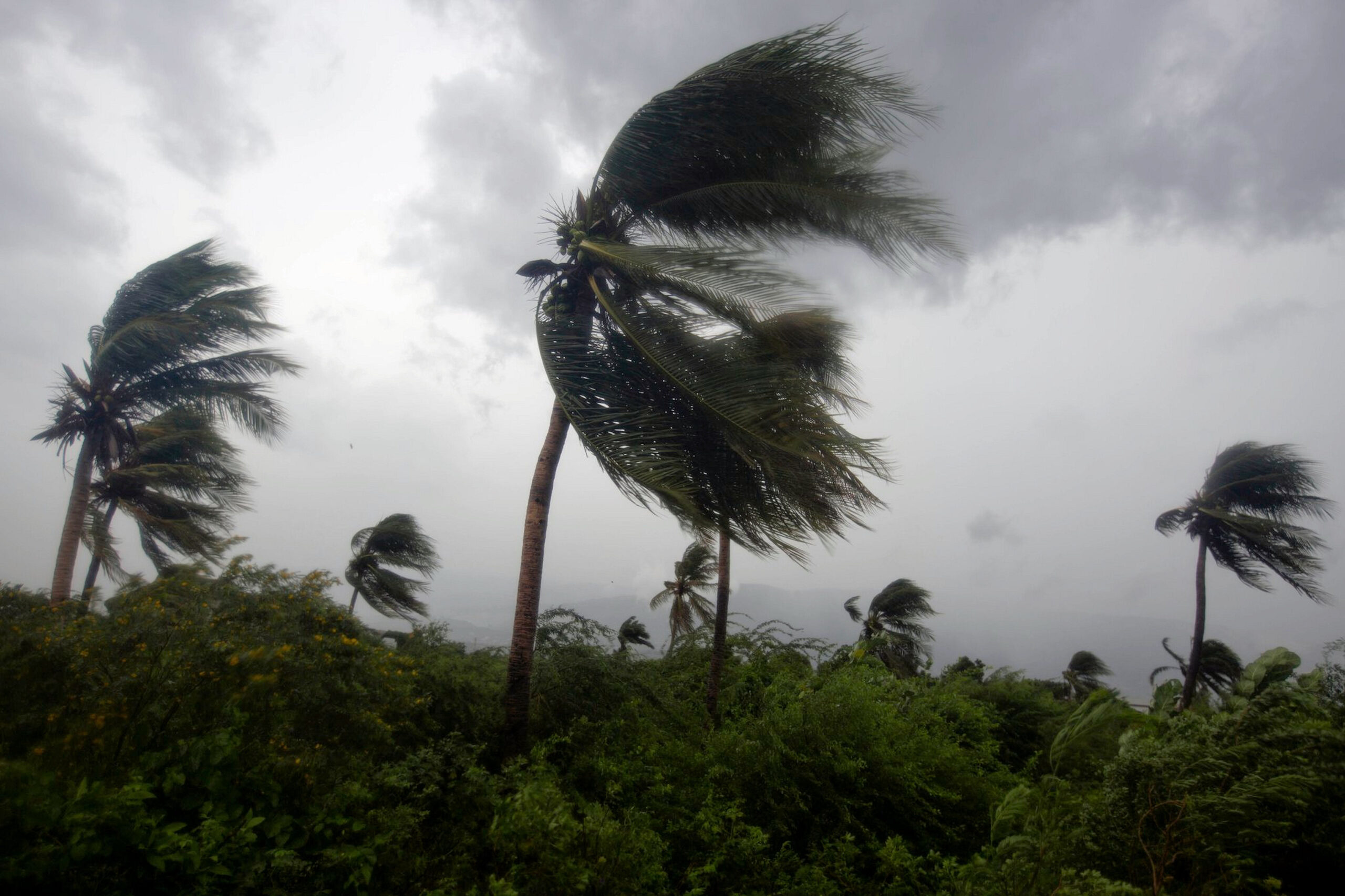
El Niño acts as a disruptor of the climate system. In some regions, it increases rainfall and the risk of flooding. In others, it promotes drought. Some areas experience more heat, while others may experience cooler temperatures.
The effects are therefore not the same everywhere. This is the phenomenon’s complexity : El Niño does not impose a single climate on the entire planet; it redistributes climatic probabilities. And this redistribution can have major consequences.
When Climate Becomes a Matter of Food
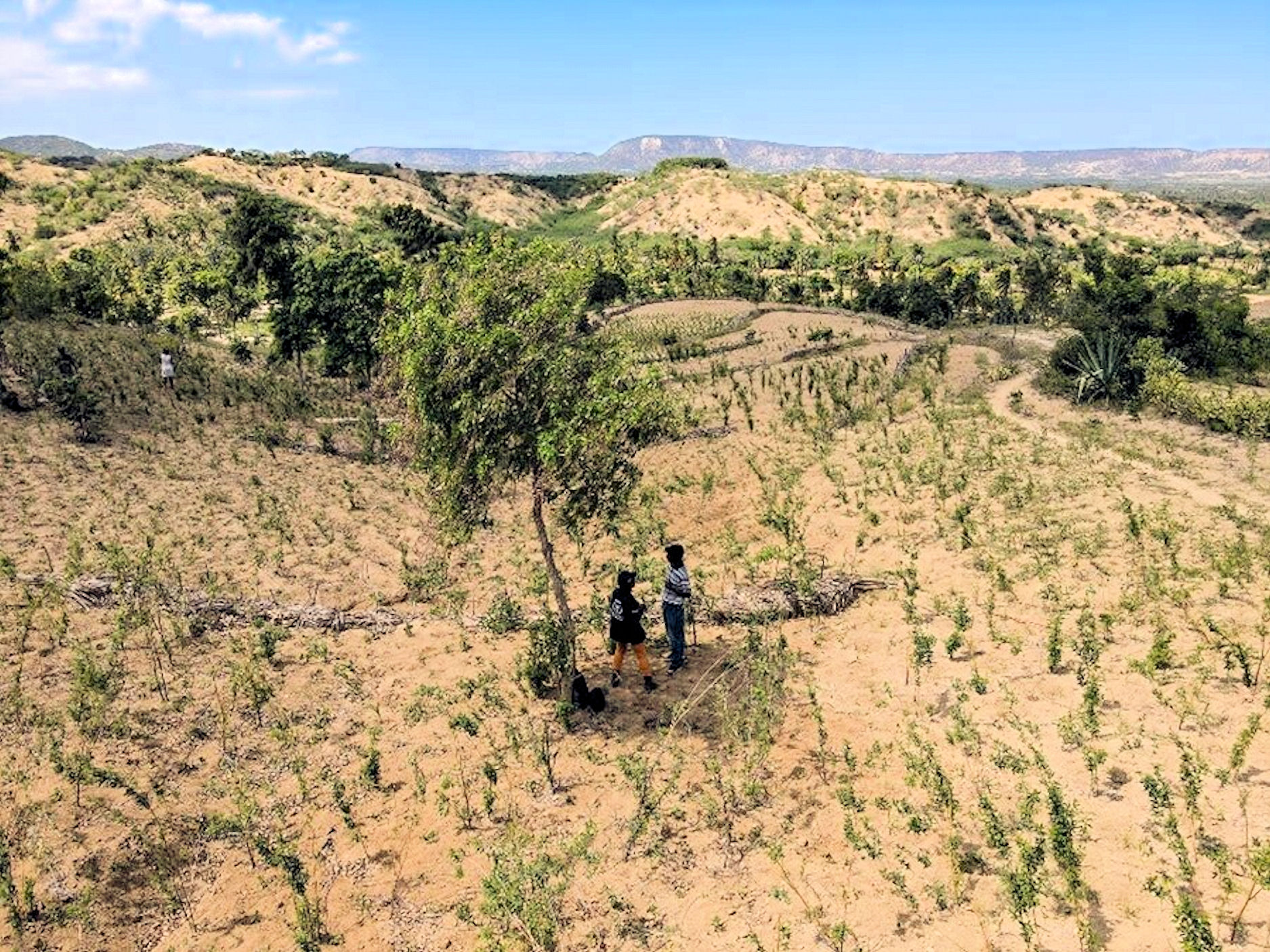
One of the major dangers El Niño poses is to agriculture. Prolonged drought can destroy crops, as can excessive rainfall. High temperatures can affect water resources and yields. And when harvests decline, the consequences immediately extend beyond the agricultural sector.
Less production means greater scarcity, more imports, higher prices, and increased pressure on households. For countries heavily reliant on agriculture and with limited adaptive capacity, the climate phenomenon can quickly escalate into an economic and social crisis.
There is another often-overlooked aspect. El Niño affects the oceans and fisheries. When waters warm in certain areas of the Pacific, the conditions favorable to some fish species change. Fish may migrate to colder waters, disrupting traditional fishing grounds.
For coastal communities that depend on fishing, El Niño can therefore become a matter of income and food security. The ocean is not just a body of water. It represents a vast food and economic resource.
And what about Haiti in all of this?
This is where our responsibility begins. Haiti is obviously not located in the Pacific. Yet, our country is part of the global climate system and can be indirectly affected by the variations associated with ENSO.
However, we must avoid a common misconception: El Niño does not automatically mean drought or excessive rainfall in Haiti. The consequences in the Caribbean depend on the season, El Niño’s intensity, and its interaction with other atmospheric and oceanic phenomena.
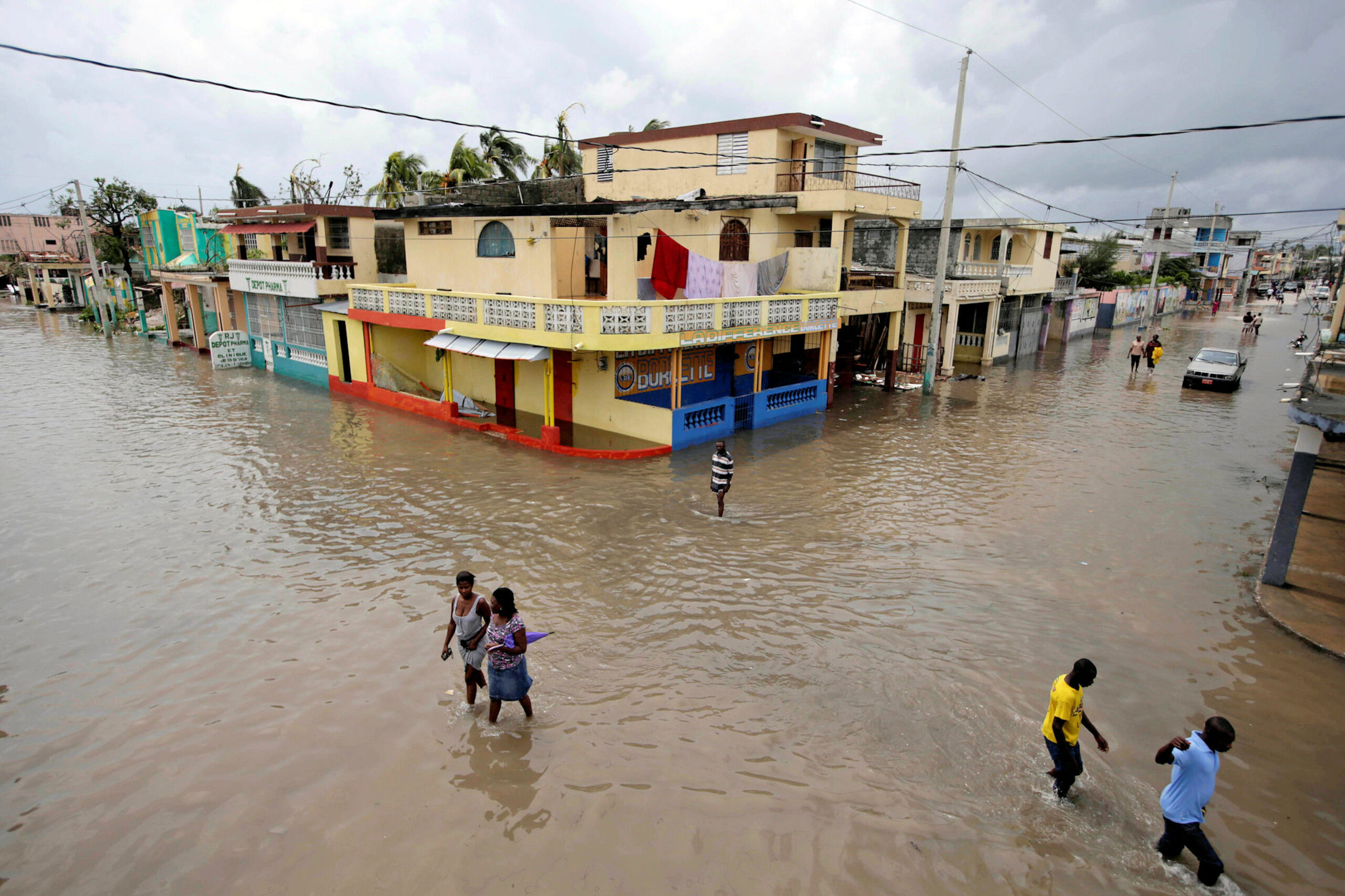
But for a country where agriculture remains extremely vulnerable to rainfall variations, where water infrastructure is inadequate, and where food security remains fragile, any significant change in rainfall patterns or temperatures poses a serious threat.
The problem, therefore, is not just El Niño. The real problem is our vulnerability to El Niño.
We must also distinguish between two realities. El Niño is not caused by climate change (although climate change may be making it more severe). It is a natural phenomenon of the ocean-atmosphere system. But it now occurs in a world where the planet’s average temperature is already high.
El Niño episodes can contribute to pushing global temperatures to new high levels. Their effects can also compound those of global warming and exacerbate certain extreme weather events. In other words, we must no longer view El Niño in isolation. We must observe it within the context of a changing climate.
2026: The Warning Signs Are Here
The issue has become particularly important in 2026. International forecasts predict the development of a strong El Niño, likely to intensify between August and October.
This does not mean that Haiti should wait for a catastrophe. It means precisely the opposite: we have an opportunity to anticipate it.
A predictable phenomenon should lead to preventative public policy. The real question is: are we prepared? This is the question I would like to publicly address to our authorities.
What do we do when a predictable climate event threatens to affect agriculture? Do we have effective early warning systems? Do our farmers receive sufficient weather information? Are our water reserves properly managed? Do the authorities have emergency plans to protect crops and livestock? Are food stocks sufficient? Do the municipalities have the resources to respond to a climate crisis? And above all: have we learned to govern by anticipating rather than reacting after disaster strikes?
El Niño should be treated as a matter of national security, food security, and economic planning.
Haiti can no longer wait for disaster to strike before taking action. In a country where every climate shock can turn into a social crisis, El Niño should be treated as a matter of national security, food security, and economic planning.
We must strengthen meteorological observation, improve early warning systems, develop irrigation and watershed management, support farmers in choosing crops adapted to climatic conditions, protect water resources, and strengthen the capacities of Civil Protection and local authorities. Above all, we must build a genuine national policy for climate risk management.
Climate change and phenomena like El Niño don’t discriminate between poor, politically divided, or institutionally fragile states. They strike where they find vulnerability. And Haiti’s vulnerability is already well-known.
El Niño is not our enemy. Our lack of preparedness is. It would be easy to blame the sky, the ocean, or nature when the consequences become apparent. But nature produces the phenomenon; vulnerability produces the catastrophe.
El Niño is a natural phenomenon. We cannot prevent it. However, we can monitor its evolution, anticipate its effects, protect our populations, and adapt our public policies. That is the crux of the matter.
In the 21st century, a state’s power is no longer measured solely by its weapons, its buildings, or its political rhetoric. It is also measured by its ability to foresee the next crisis before it becomes a catastrophe.
El Niño is once again reminding us of a truth we too often refuse to acknowledge: nature gives warnings. States that fail to anticipate pay the price.
This article is therefore a call to action. A call to our authorities. A call to those responsible for agriculture. A call to local governments. A call to scientists. A call to civil society organizations. A call, above all, to all those who still think that climate phenomena are distant problems. They are no longer.
The global climate is interconnected. Our crops, our food, our economy, and our social stability are also interconnected. The question is therefore not whether Haiti can prevent or avoid El Niño. It is whether Haiti is capable of preparing for it. And this time, we will not be able to say that we were not warned.
Cap-Haïtien, Sep. 5, 2026